A chiller that handles its rated heat has proven capacity. The load now changes quickly, so the whole cooling system has to be shown responding, as the heat rises and as it falls.

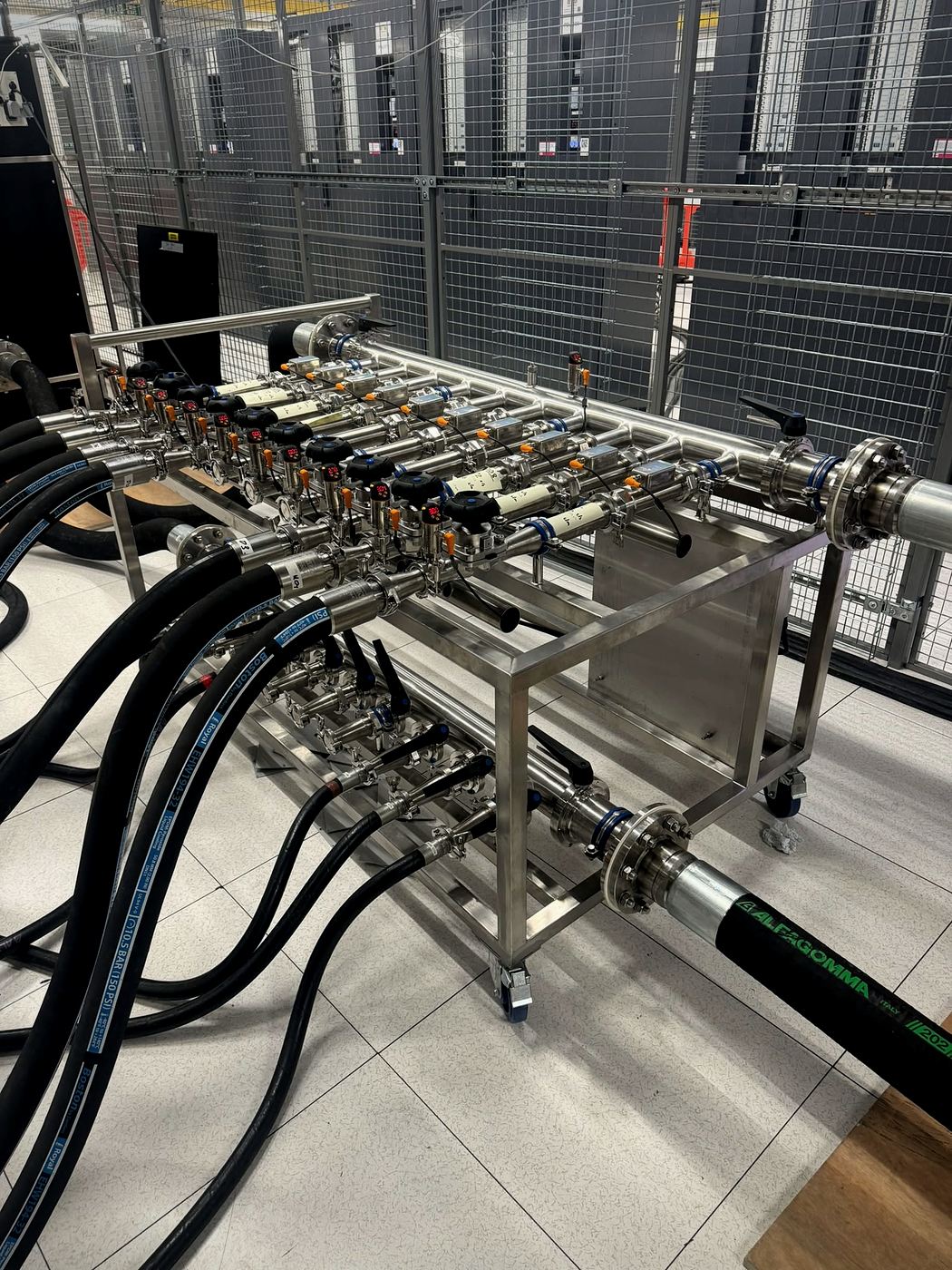
Testing chillers and cooling plant means putting a controllable heat load into the system and watching how the whole chain responds: chillers, CDU, pumps, control valves, sensors and controllers. Base build testing proves the plant has the capacity while the hall is built. End-of-line testing replicates the heat at each rack position, so the response to a change is proven in both directions before the GPUs are installed.
Capacity is one result. The rest is how the system behaves when the load moves.
The chillers, CDU and risers carry the full IT heat load at the design condition.
How the plant follows the heat as it rises, and as it suddenly reduces.
Pumps, control valves, sensors, controllers and communications working together.
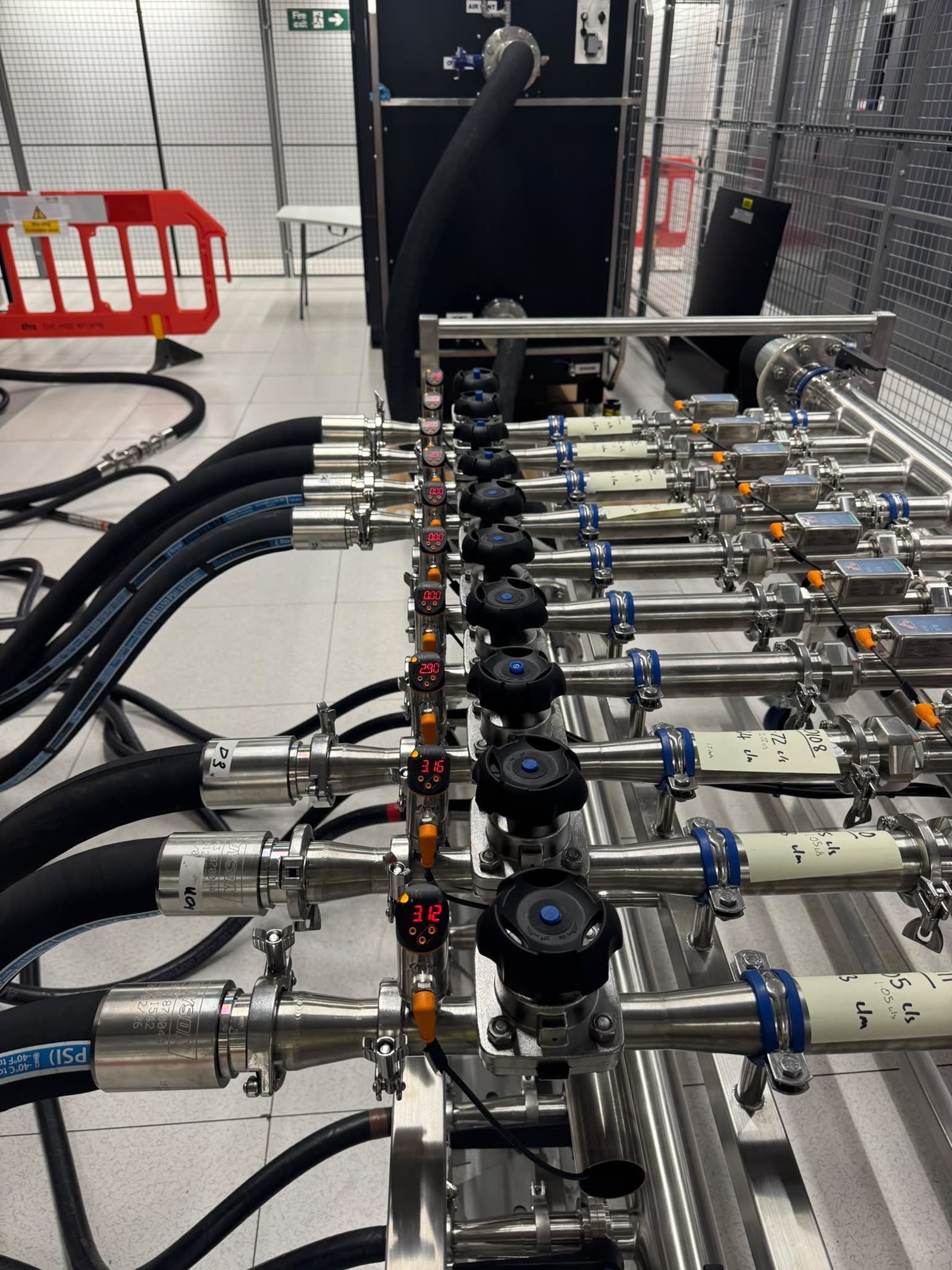
Flow, pressure and temperature at each rack, not a hall average.
The two ranges answer different questions, and a hall usually needs both.
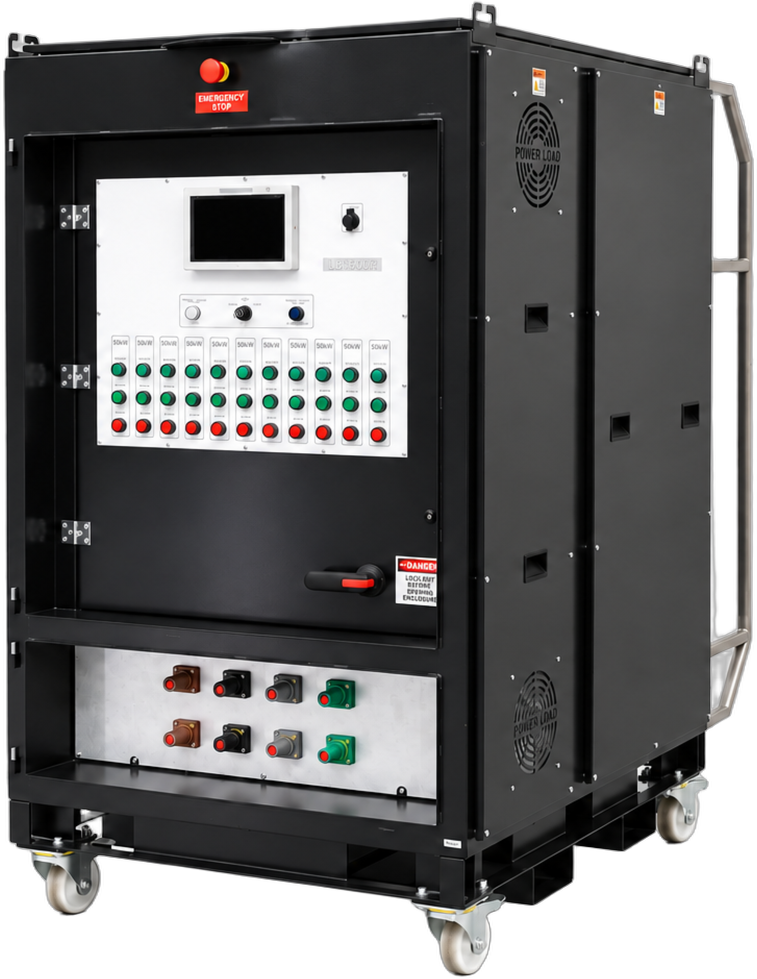
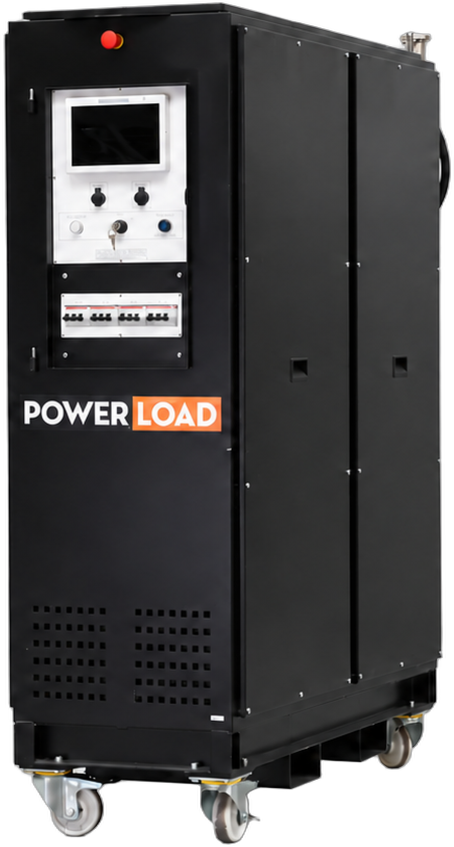
Base buildLB500, LB600 or LB700 liquid-cooled load banks prove chillers, CDU and risers, with the 700kW LB700 the largest single unit
See the base build range
End-of-lineLCLB 160 and LCLB 240 replicate the liquid heat of AI racks at each rack position
Heat is rejected into the coolant loop, so the plant is tested exactly as the racks will load it.

Tell us the cooling design and the IT load. We will advise on the heat load for the plant.