Base build

Base build testingLB500LB600LB700ACLB 200Standard or solid-state switching

End-of-line

End-of-line testingLCLB 160LCLB 240ACLB 60

Applications

Cooling

Chillers and cooling plantStatic and dynamic load testing

Power

UPS systemsGeneratorsSwitchgear and power qualityProtection settings

Explained

Liquid coolingGPU load testingWater qualityLoop monitoringCommissioning

Equipment

Commissioning equipment

Manifold trolleyFlushing & refill cart

Tools

The full rangeSizing calculatorDatasheets

Services

Commissioning supportLoad bank hireHigh load simulationBespoke load banksSupply and installationMaintenance and repairDeployment and managementBuy or hireProjects

Company

AboutPartnersProjectsAcademyNewsEventsFAQ Speak to the team
Home/Explained/Liquid cooling fundamentals
Explained

Why AI data centres moved from air to liquid cooling

The shift from airflow to fluid, and what it changes about proving a building works.

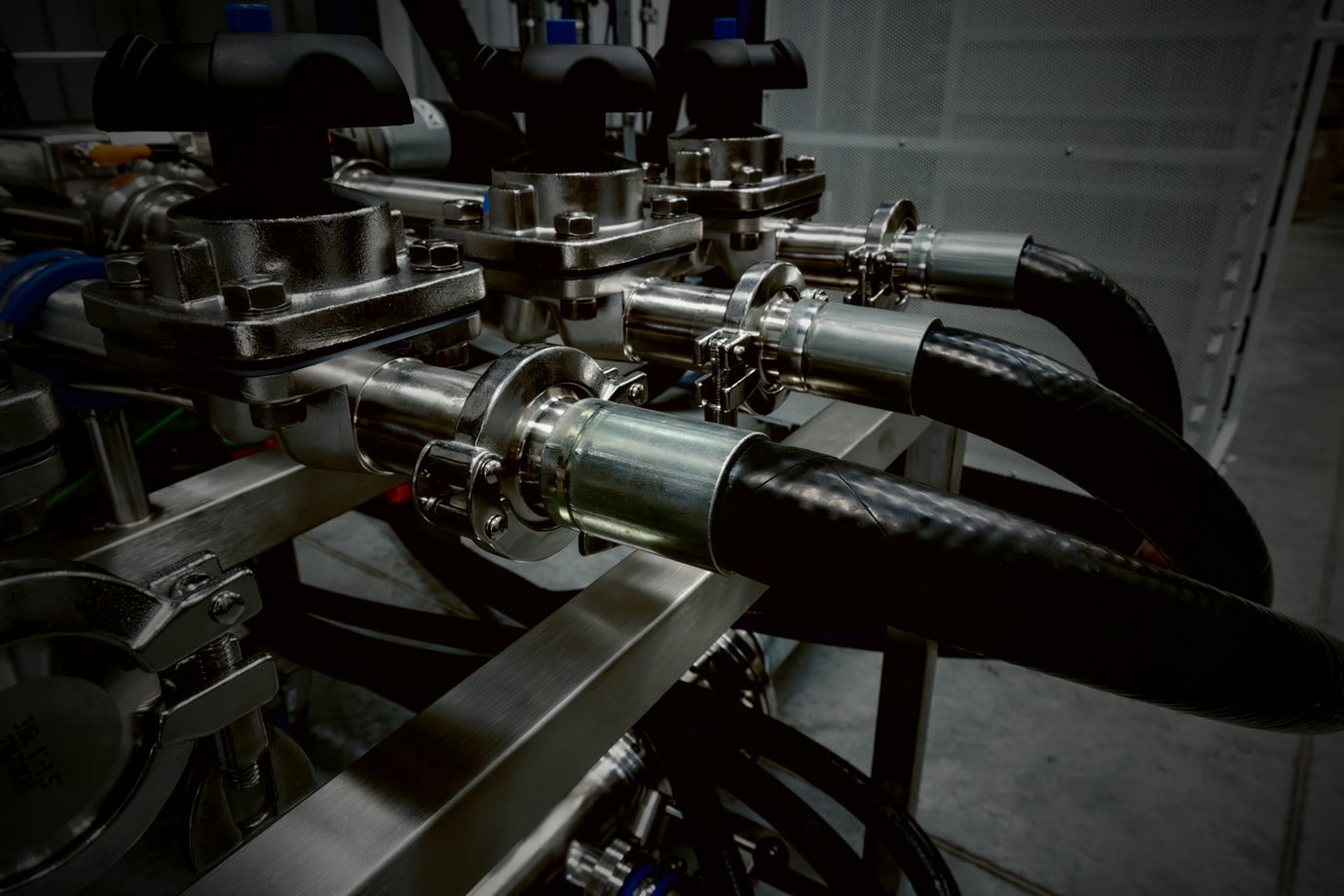
Coolant hoses connected into a PowerLoad manifold
100kW+AI racks now
10 to 15kWTypical air-cooled rack
Both waysLoad rises and falls
Pre-GPUWhen it has to be proven

Air cooling ran out of headroom. A typical air-cooled rack is about 10 to 15kW and AI racks are now 100kW and above, so direct-to-chip liquid cooling has become the default for AI infrastructure. That changes testing: the plant, CDUs and controls have to be proven for how they respond, not only for how much heat they carry.

What changed

Air cooling ran out of headroom

Halls built for air were sized for racks of 10 to 15kW. AI racks are a different order of load, and the cooling has to be proven to match.

  • Traditional halls were designed around 10 to 15kW racks, where air performed well
  • Air cooling reaches its limit well below AI rack densities
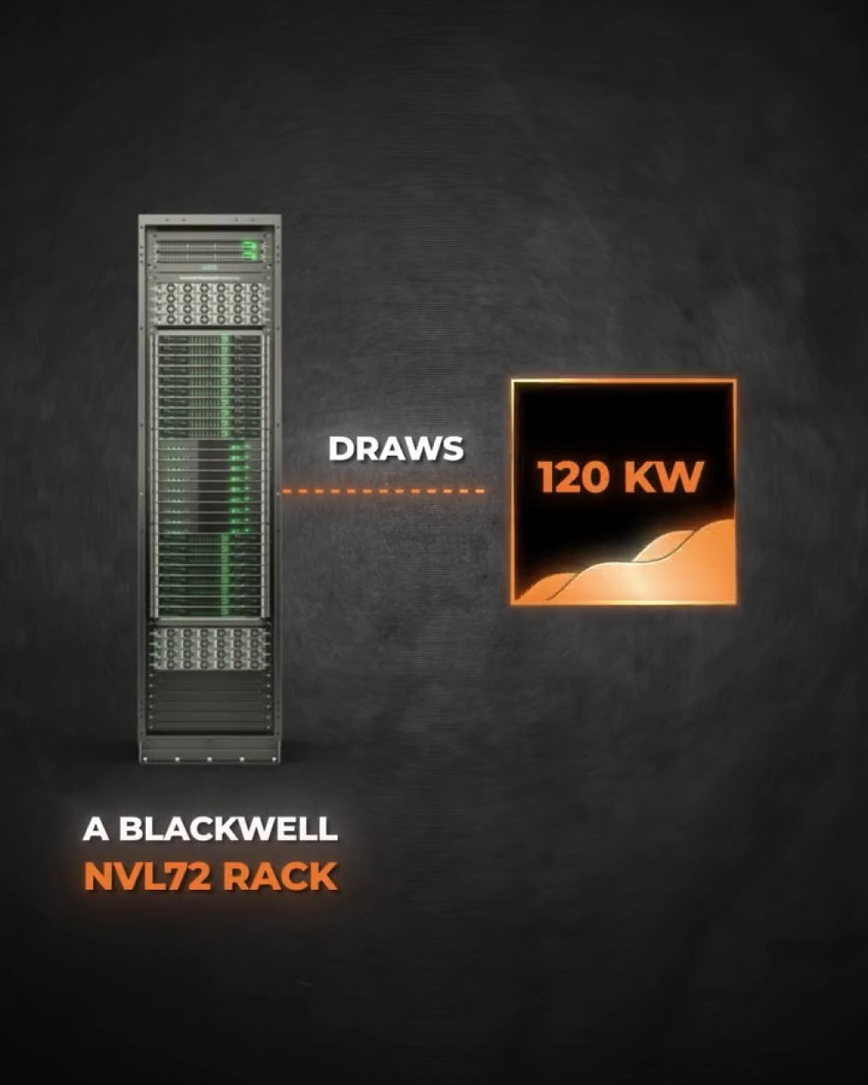
  • A Blackwell NVL72 rack draws around 120kW
  • The cooling system stops being background infrastructure and becomes part of the machine
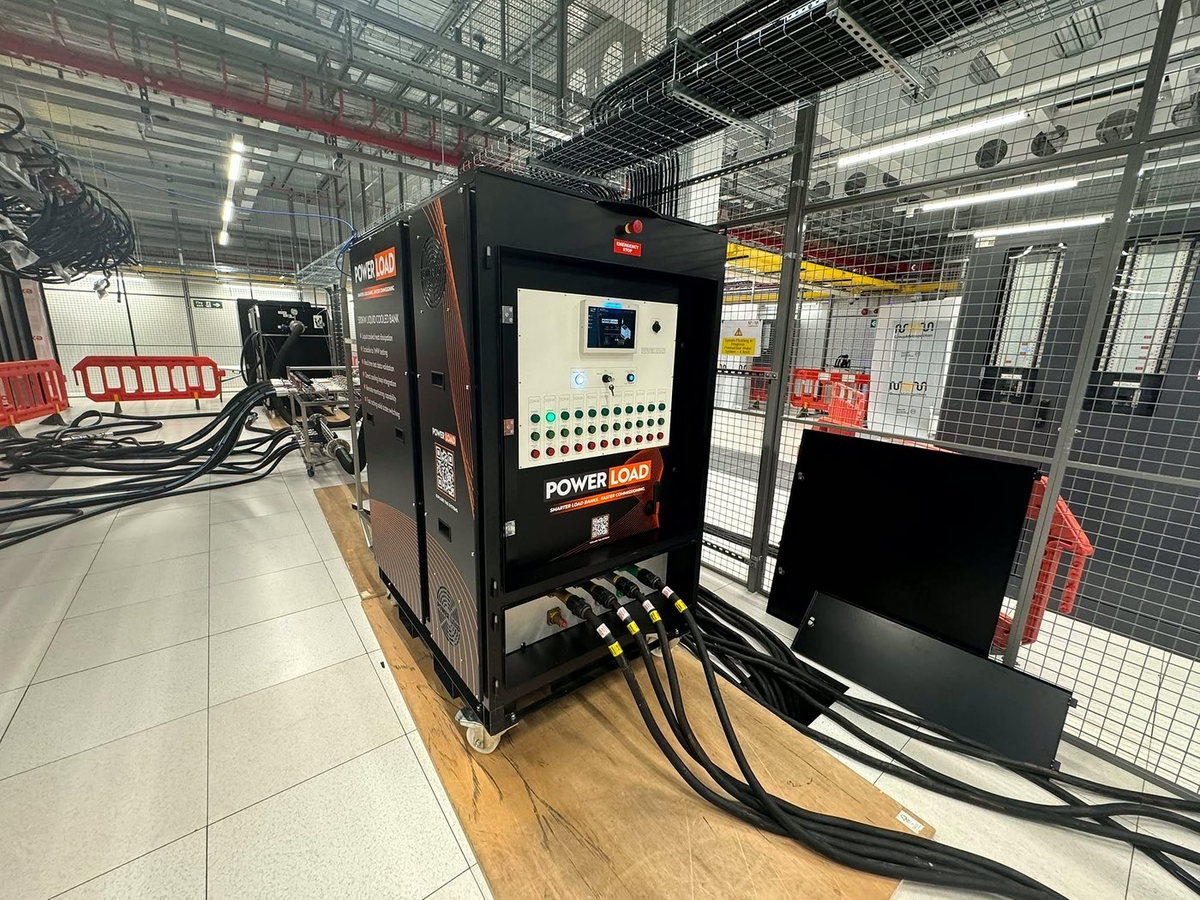
A PowerLoad liquid-cooled load bank connected in a live data hall
Why it changes commissioning

Prove the response of the whole cooling system

Putting a large amount of heat into a room is no longer enough to say the cooling has been tested. The CDU, pumps, control valves, sensors and controllers all have to respond when the load changes, and the cooling has to be proven as rigorously as the power chain.

  • Flow, pressure and temperature have to be proven circuit by circuit
  • Thermal response matters as much as thermal capacity
  • A steady electrical load produces a steady thermal state and never triggers the faults that matter
  • The loop can only be flushed, dried and charged properly during commissioning
The full commissioning sequence
Watch and read

Three explainers on the move from air to liquid

Why the shift happened, what thermal accuracy means when you are designing test equipment for it, and why the testing has to happen before the hardware lands rather than after.

FAQ

Liquid cooling fundamentals, answered

Air cooling reaches its limit well below AI rack densities. Traditional halls were designed around 10 to 15kW racks, where air performed well, but high-density AI racks such as Blackwell draw around 120kW, which is far beyond what air can carry.
Water carries far more heat per unit volume than air. It can also be delivered directly to the chip and controlled at rack level, which air cannot do at any speed.
A steady electrical load produces a steady thermal state. Faults such as slow loop response, imbalance between circuits and inability to hold temperature only appear when conditions change, so a static test never triggers them.
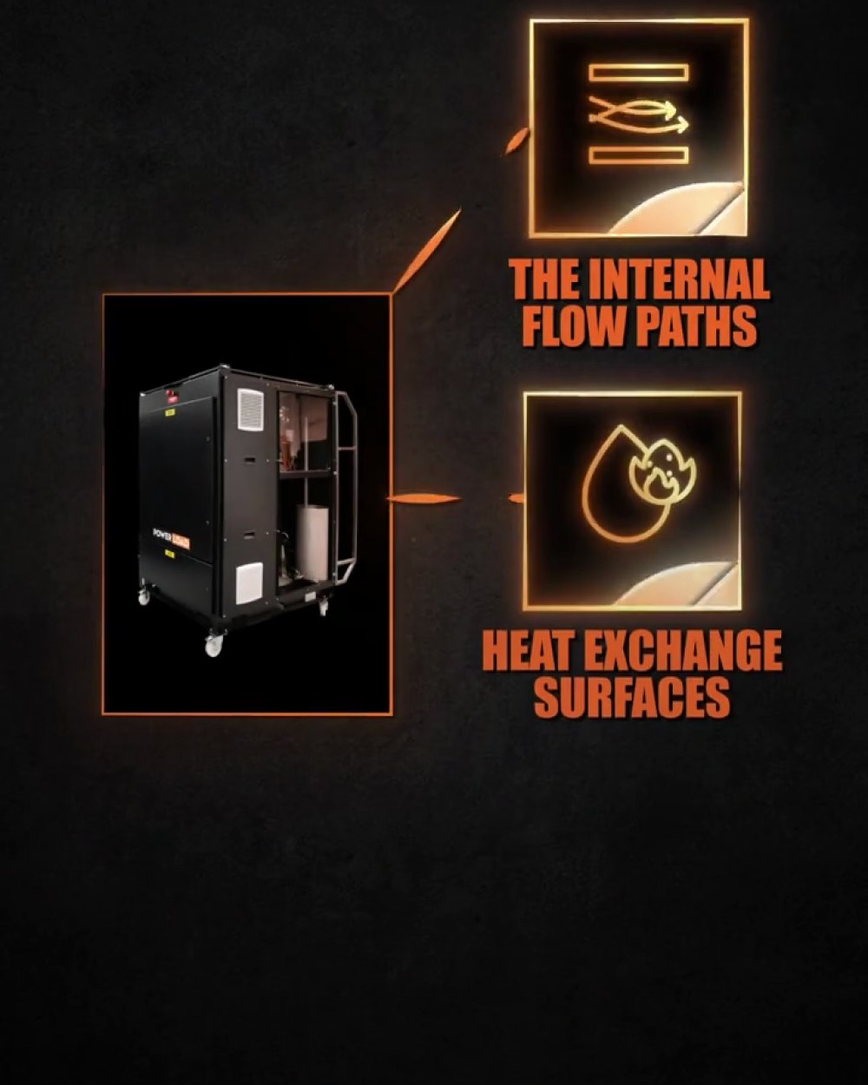
It is how closely the equipment's heat output and thermal response match a real GPU environment, including how quickly the cooling circuit reacts when electrical load rises or falls. It is set by internal flow path design, heat exchange surfaces and sensor placement.
As soon as the main pipework, risers and cooling infrastructure can be run under genuine liquid-cooled conditions, which is typically months before any compute hardware is delivered. The value of the test comes from having time to act on what it finds.
Where to next

Related reading

Planning a liquid-cooled build?

We will talk through the density you are designing for and what proving it actually takes.