Seven explainers on process, programme risk, scaling across a hall and what happens after delivery.

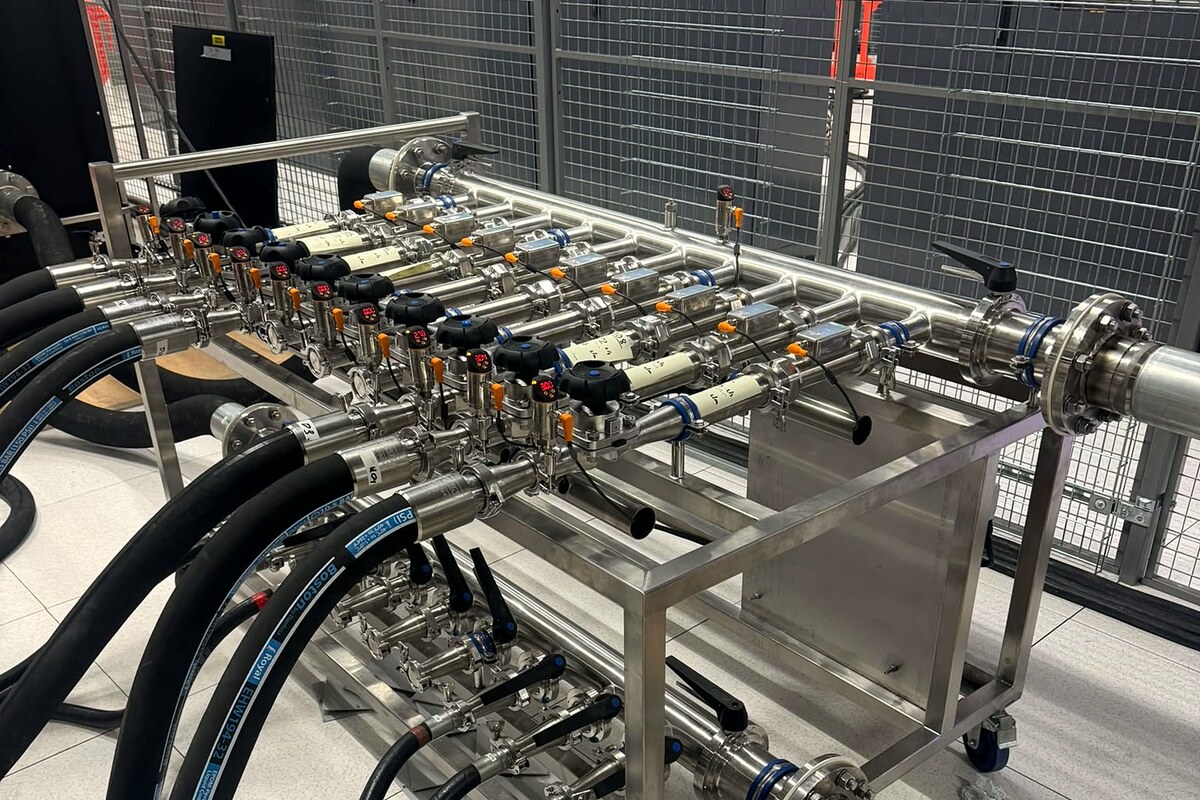
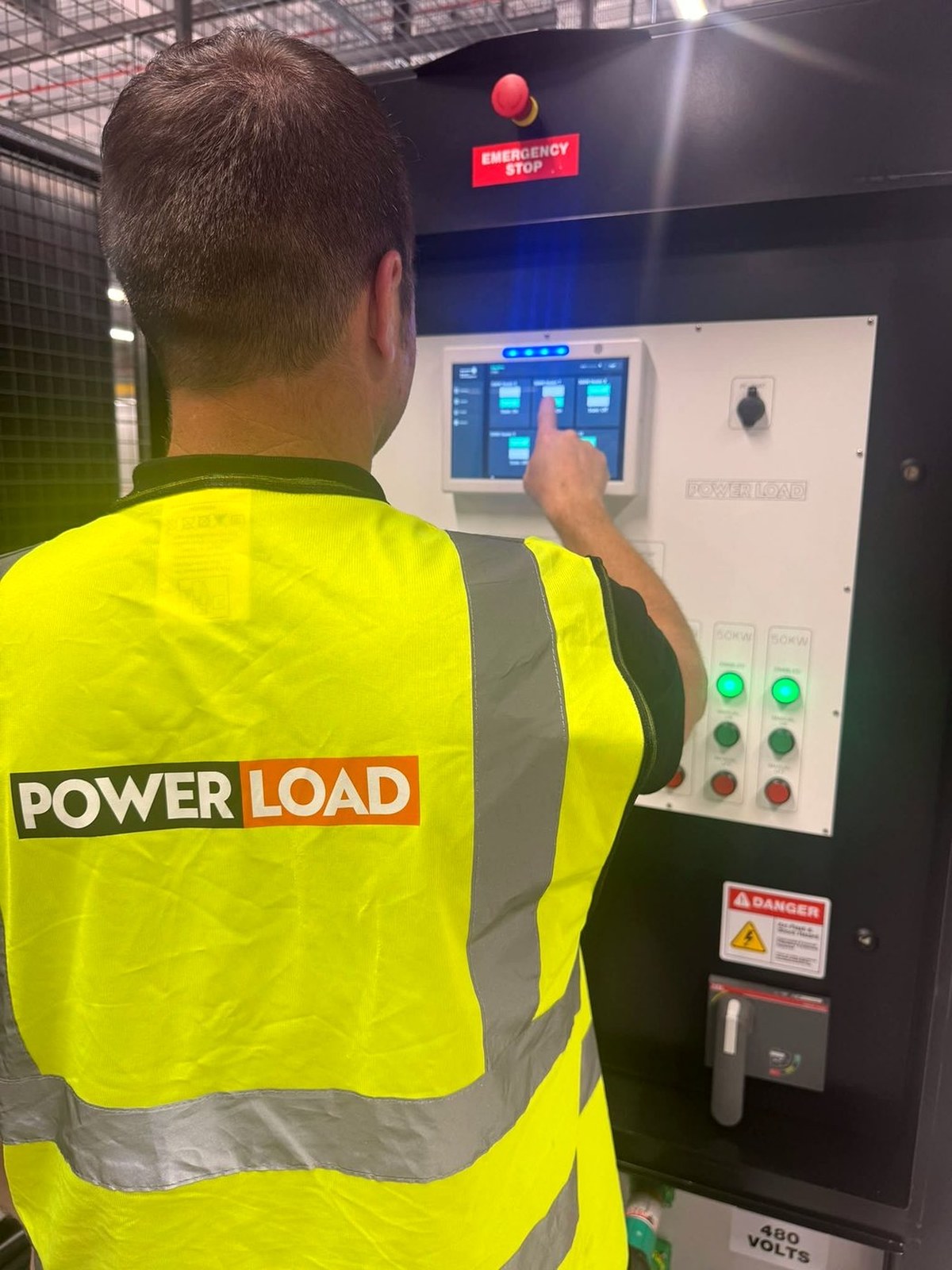
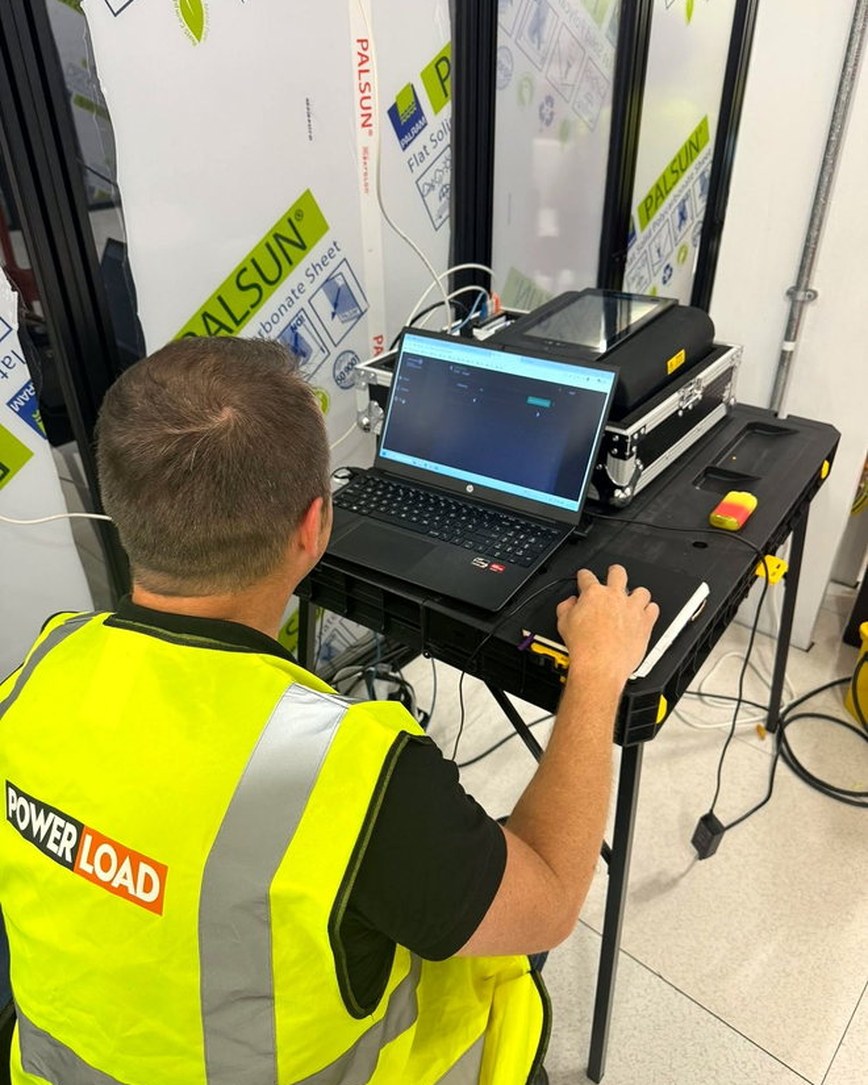
Commissioning proves the power and cooling chain carries rated load and behaves correctly under real transients, before any compute is installed. On an AI build it is the last cheap moment to find a defect. A missed go-live can cost a developer around £100,000 a week, and a fault found late cascades through lead times measured in weeks. The commissioning agent or contractor runs it. PowerLoad supplies and hires the load banks and supports that team remotely on every project and on site through accredited CxA partners.
Delays rarely start in the test window. They start earlier, in the decisions about what will be tested, what equipment is available and whether anyone has confirmed the loop is clean enough to run.

A partner stays through the programme, supporting the commissioning team with engineers who know the equipment, so the equipment and the expertise to use it arrive together. Testing is a known cost on a known date. A defect found after the hardware is installed is an unknown cost on an unknown date.
How PowerLoad approaches the job, how it scales across a hall of units, and what support looks like once the system is running.
Scaling from one rack to a full hall without redesigning the test.
Read and watch →The kit, remote support on every project, and on-site support through accredited partners.
Read and watch →What you are buying when the kit is only part of the job.
Read and watch →From one unit to a fleet on one controller, with the test data exportable.
Read and watch →The delay is usually set months before anyone switches a load bank on.
Read and watch →What happens after the kit lands, during testing and long after.
Read and watch →One ships a box. The other stays until the building is proven.
Read and watch →Tell us where the programme is and we will tell you what testing it properly looks like.