Base build

Base build testingLB500LB600LB700ACLB 200Standard or solid-state switching

End-of-line

End-of-line testingLCLB 160LCLB 240ACLB 60

Applications

Cooling

Chillers and cooling plantStatic and dynamic load testing

Power

UPS systemsGeneratorsSwitchgear and power qualityProtection settings

Explained

Liquid coolingGPU load testingWater qualityLoop monitoringCommissioning

Equipment

Commissioning equipment

Manifold trolleyFlushing & refill cart

Tools

The full rangeSizing calculatorDatasheets

Services

Commissioning supportLoad bank hireHigh load simulationBespoke load banksSupply and installationMaintenance and repairDeployment and managementBuy or hireProjects

Company

AboutPartnersProjectsAcademyNewsEventsFAQ Speak to the team
Home/Explained/Replicating GPU load
Explained

How to test a data hall for GPU load before the GPUs arrive

Six explainers on transient behaviour, solid-state switching and rack-level testing.

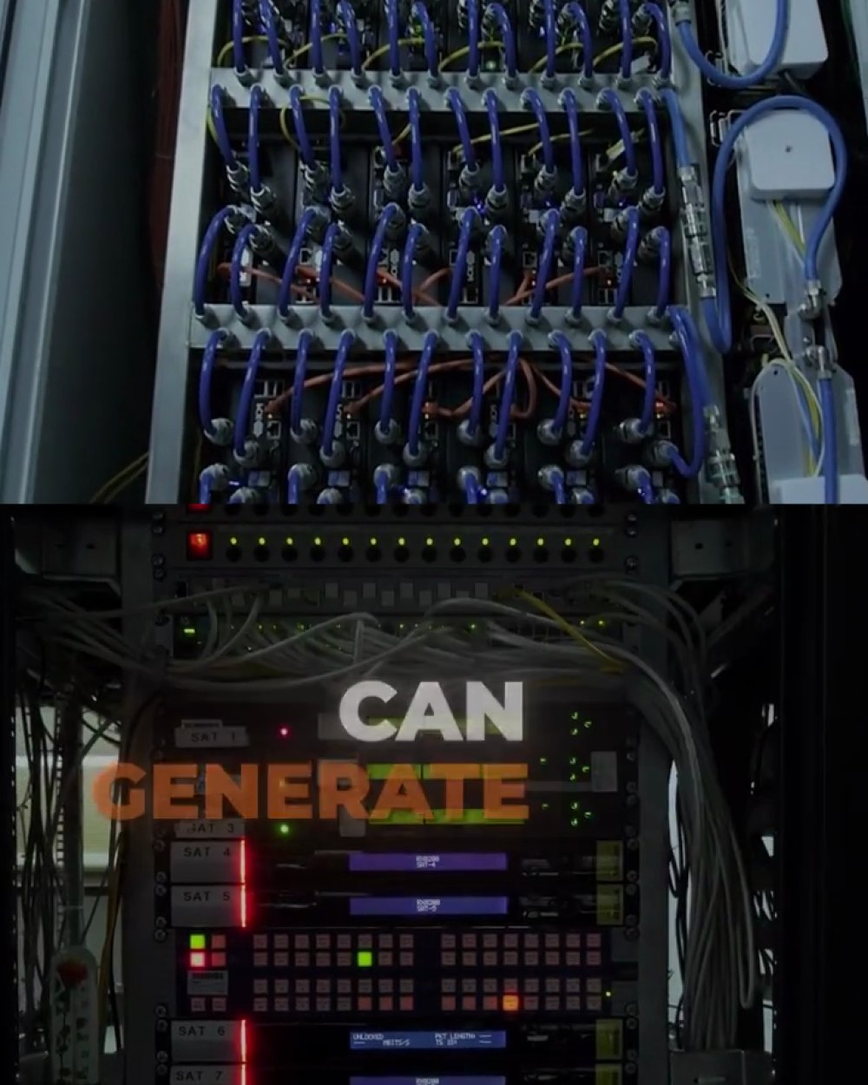
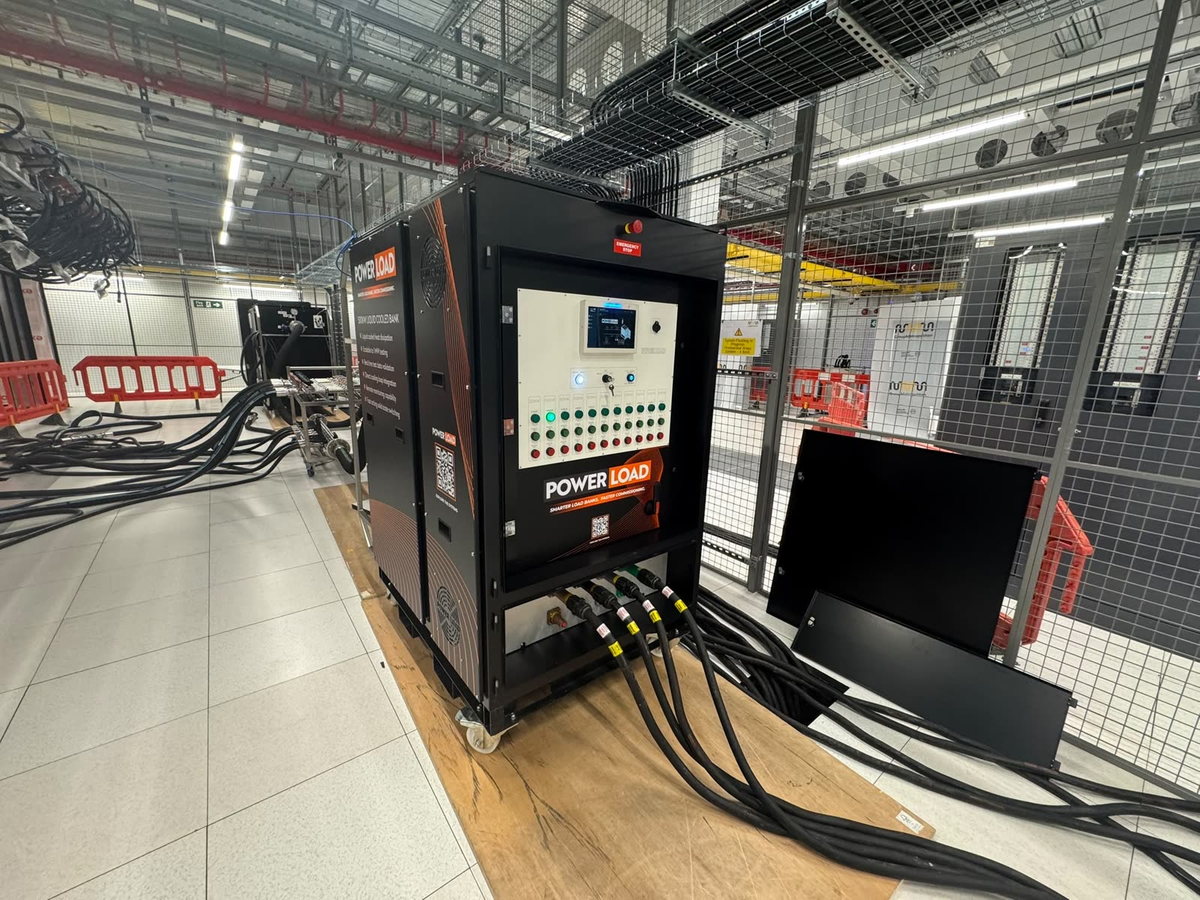
A PowerLoad load bank connected at a rack position in a live data hall
Solid-stateSwitching, not contactors
160kWPer emulator unit
320kWPaired, two units
RackLevel, not just the riser

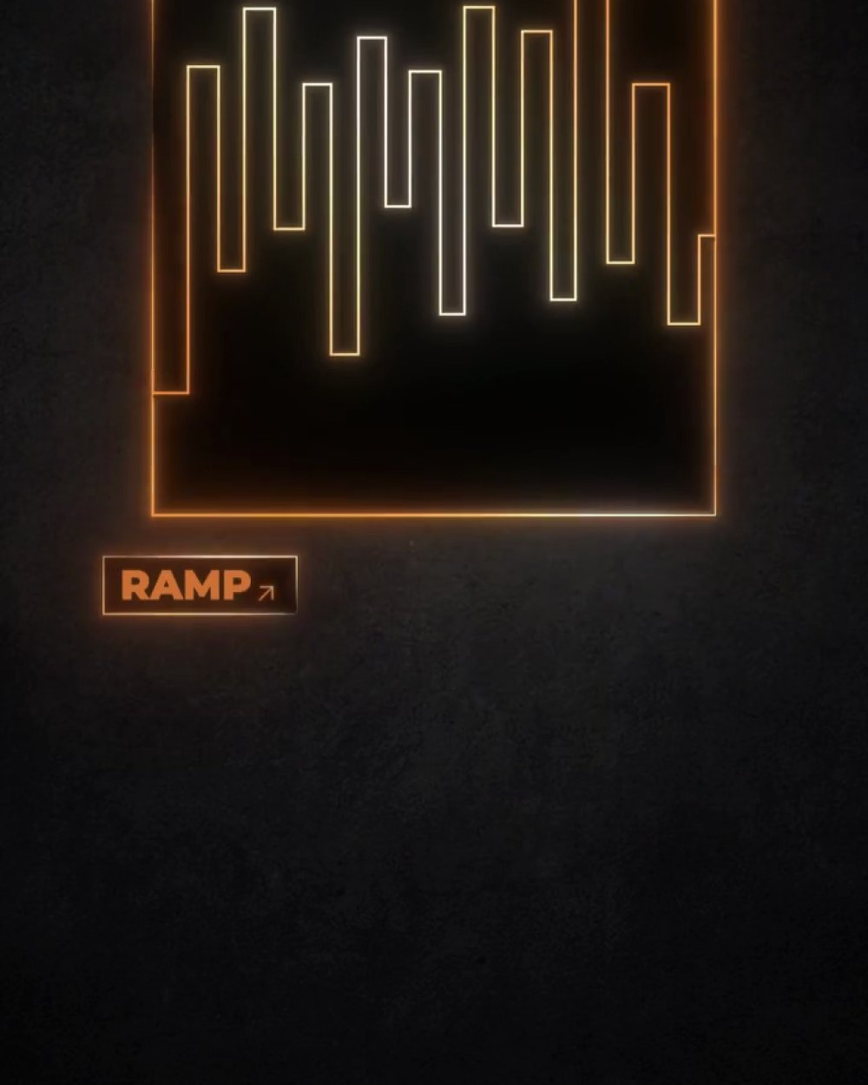
A GPU rack does not draw a steady load. It ramps up, drops away and cycles very quickly, and the risk to a data hall is the rate of change rather than the peak figure. A conventional contactor-switched load bank steps far too slowly to reproduce that, so it proves capacity but hides behaviour. Emulating real GPU load means solid-state switching, applied at rack level, before any compute is installed.

Where static testing stops

Static load tests prove capacity, not behaviour

Most commissioning still applies a static load, holds it, confirms nothing trips and calls it a pass. That tells you the building can carry the power. It tells you almost nothing about whether the UPS, protection, generators and cooling can react when the load moves.

  • Mechanical contactors respond too slowly and step in increments too coarse to follow a GPU profile
  • Solid-state switching has no moving parts, so it steps the load far faster than contactor-based banks
  • The load has to move fast, and drop as fast as it rises, because rate of change is what stresses the plant
  • Heat has to arrive in the loop in the same dynamic pattern, not as a steady thermal load
  • Load applied where power and coolant enter the building proves the entry point, not the rack
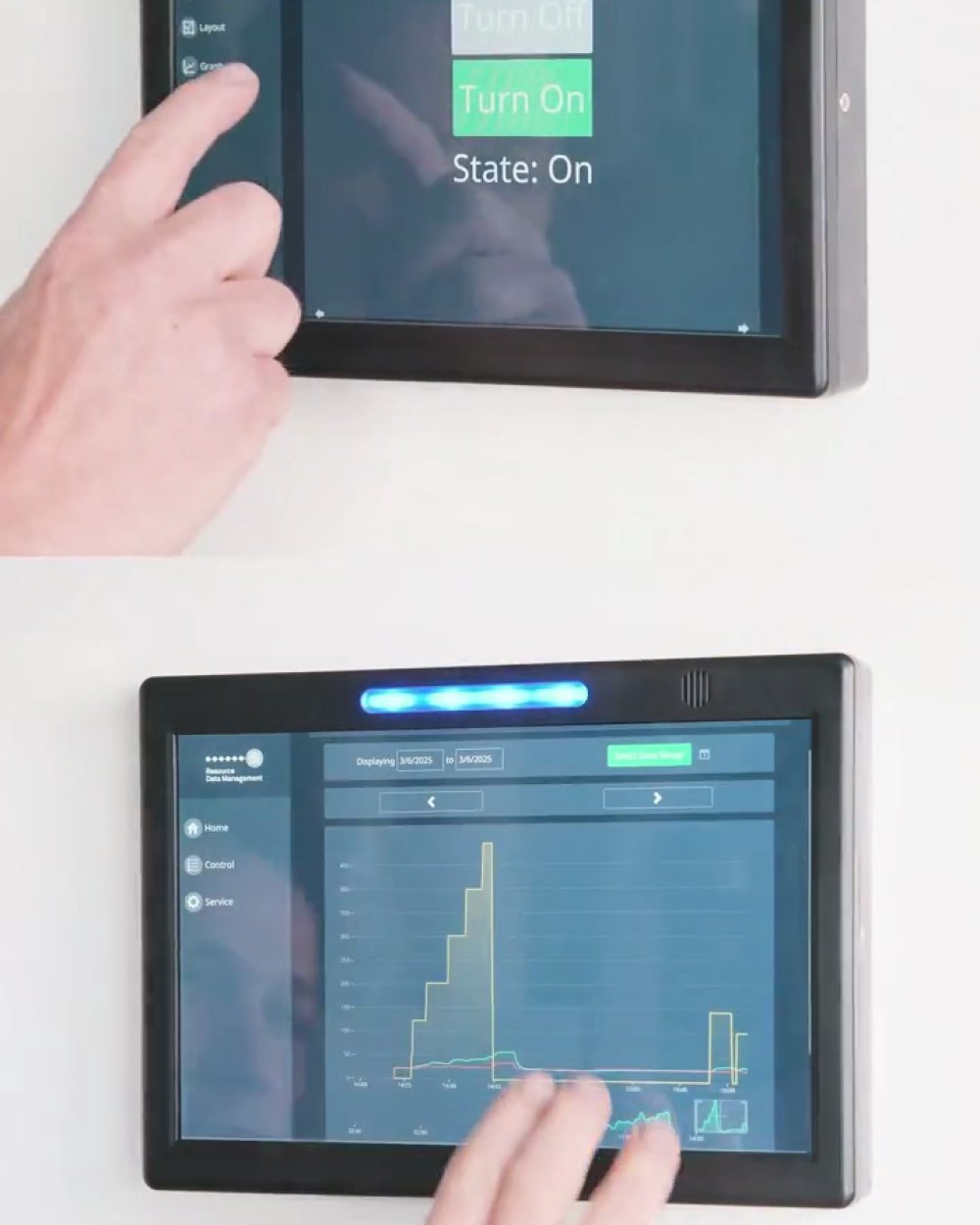
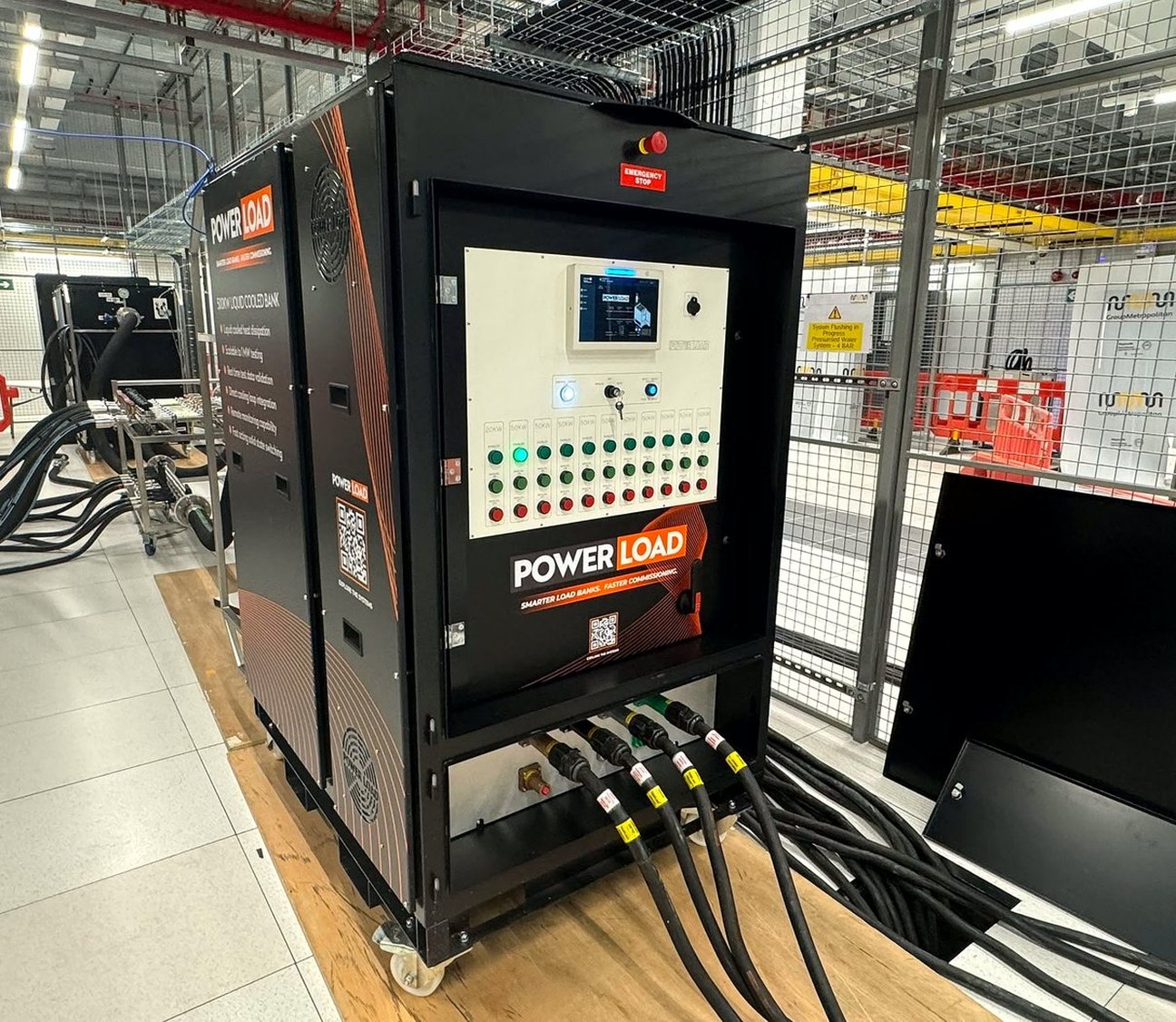
PowerLoad control panel driving a solid-state switched load
Where the load is applied

The GPUs sit at the far end of the hall

Testing at the point power and coolant enter the building proves the entry point. The GPUs will sit at the far end of the hall, down all that busway and pipework, where pressure drops and flow goes uneven. Defects between the building entry and the rack stay hidden unless the test is at the rack.

  • Each 160kW unit stands in for an individual rack load, on the loop where that rack will sit
  • CDUs sit at each end of the system, so the whole distribution is in the test
  • Isolation valves at every connection let a unit be removed without stopping the test
  • Circuits that behave alone can still interact when they all draw at once
How we simulate the load
Watch and read

Six explainers on transients, switching and rack-level testing

Transient behaviour, solid-state switching, and why the load has to be applied where the racks will actually sit.

FAQ

Replicating GPU load, answered

No. A static load holds the infrastructure at a steady state and never triggers the failure modes that matter. AI workloads swing very quickly, and it is the rate of change that stresses UPS, generators and cooling.
Solid-state switching uses semiconductor devices rather than mechanical contactors to apply and remove load. With no moving parts it steps the load far faster than contactor-based banks, which allows the load bank to reproduce the ramps and drops of a real GPU rack.
A conventional load bank applies power and produces heat. A GPU emulator reproduces how that power and heat arrive and disappear, using fast switching to mirror the surge, dip and cycle pattern of a real accelerator under workload.
Yes, and it is the point at which testing is most useful. Equipment that emulates the electrical and thermal behaviour of GPU racks lets the cooling, flow and power infrastructure be stress tested months before any compute arrives.
It tests everything upstream of the rack under rapid load change: the UPS, the generators, protection and the cooling system. Those components respond to transitions rather than to steady draw.
Where to next

Related reading

Planning GPU load testing for a hall?

We supply the emulation kit and support your commissioning team at the rack.