
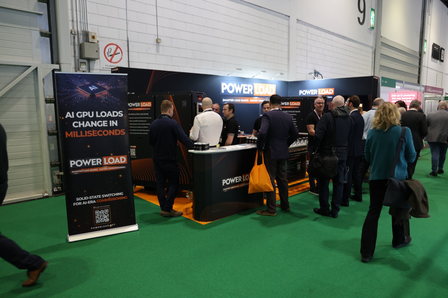
Data Centre World brought the whole commissioning conversation into one hall, and it was noticeable how much of it had moved on from capacity to behaviour. The questions were less about how much load we can apply and more about whether it moves the way real AI compute moves.
What was on the stand
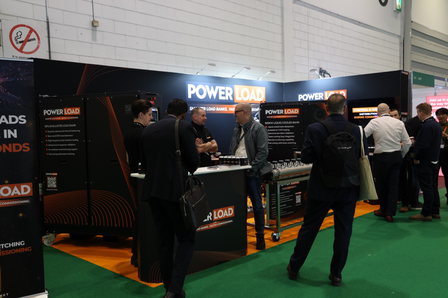
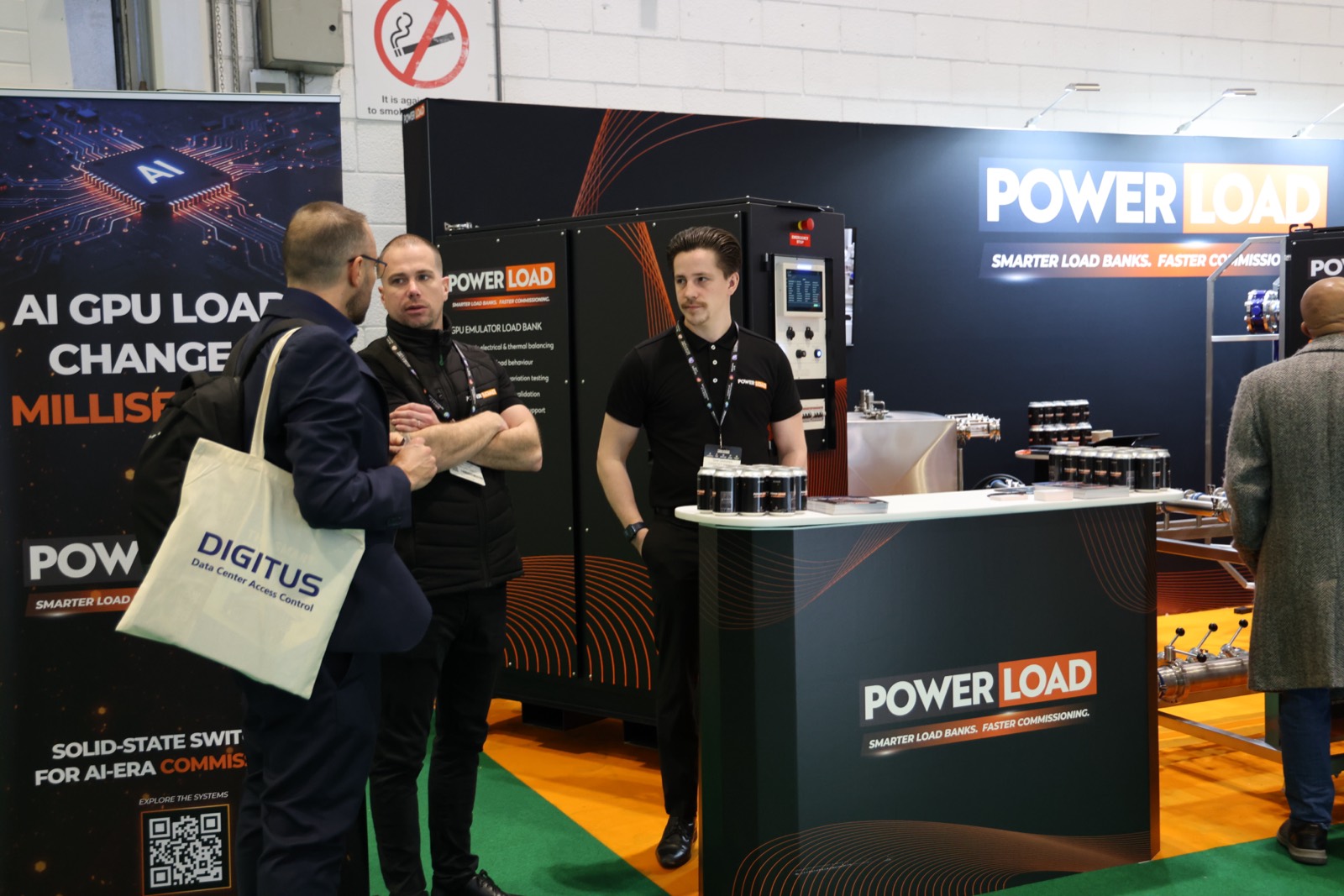
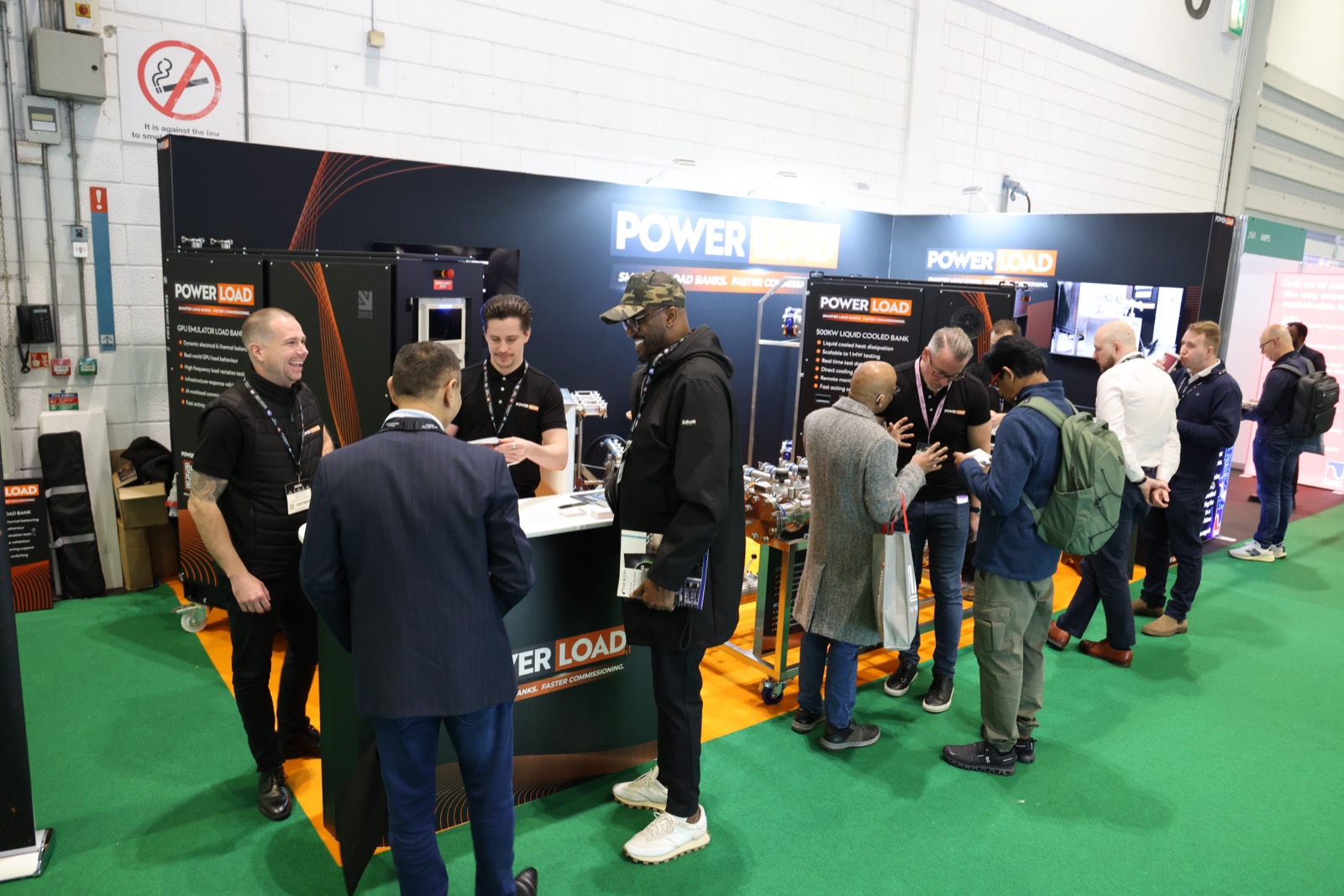
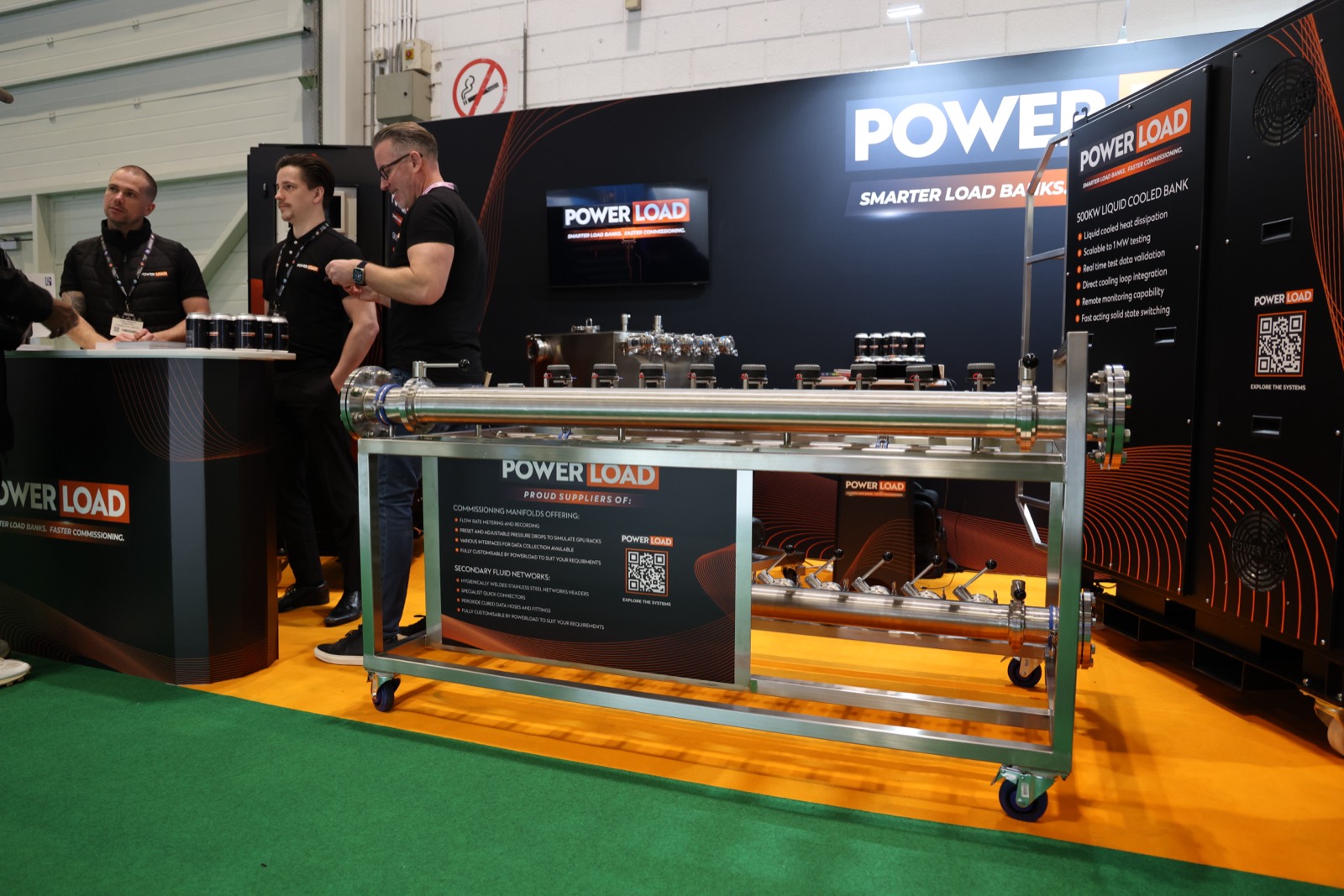
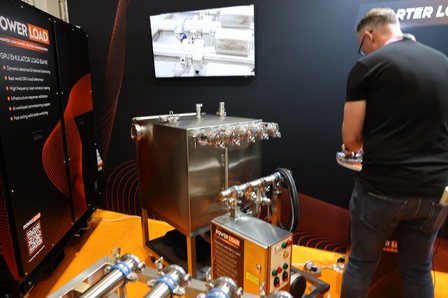
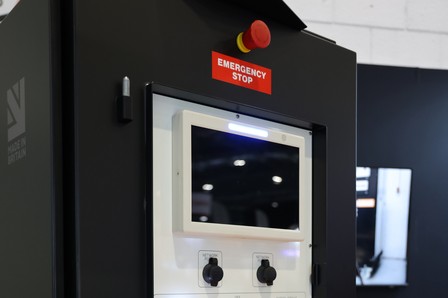
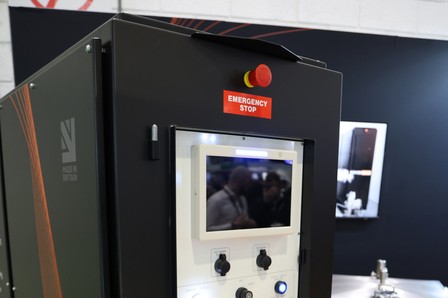
We took the full commissioning set rather than a single headline unit: the 500kW liquid-cooled load banks through to the 160kW GPU emulator, alongside the commissioning manifolds.
The manifolds drew more interest than we expected. That tracks with what we see on site, where the difficulty is rarely generating load and usually understanding what each individual circuit is doing while the load is applied.
Replicating the workload, not just the wattage
The part that got the most attention on the stand was the behaviour rather than the numbers. A GPU under an AI workload does not sit still: it idles around a quarter of its capacity and ramps to full on instruction, repeatedly.
Our emulation reproduces that profile both electrically and thermally, so the building is proven against the load pattern it will actually carry rather than a flat figure it will never see. There is more on that in replicating GPU load.
The question behind most of the questions
A lot of the conversations were commercial rather than technical: how PowerLoad supports hyperscale environments, what the agreements look like, and whether we can meet the demand on a programme of that size. Several visitors sent NDAs and programme documentation over for proper review against their commissioning plan.
That review is where the most useful thing tends to happen, because the number people arrive with is usually the wrong one.
Unit count is a function of how the programme is phased, not of how big the hall is. Testing in tranches, with equipment that moves and reconfigures as areas come available, is almost always cheaper and faster than sizing for the whole site at once. Working that out properly is part of the commissioning conversation, not something to settle on a purchase order.
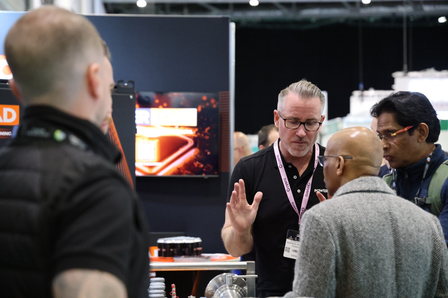
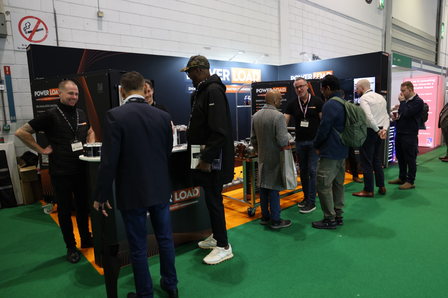
On the floor
Building a liquid-cooled hall?
Send us the programme and we will tell you what testing it properly actually takes, including how many units you genuinely need.
Speak to the team →