
Base build

Base build testingLB500LB600LB700ACLB 200Standard or solid-state switching

End-of-line

End-of-line testingLCLB 160LCLB 240ACLB 60

Applications

Cooling

Chillers and cooling plantStatic and dynamic load testing

Power

UPS systemsGeneratorsSwitchgear and power qualityProtection settings

Explained

Liquid coolingGPU load testingWater qualityLoop monitoringCommissioning

Equipment

Commissioning equipment

Manifold trolleyFlushing & refill cart

Tools

The full rangeSizing calculatorDatasheets

Services

Commissioning supportLoad bank hireHigh load simulationBespoke load banksSupply and installationMaintenance and repairDeployment and managementBuy or hireProjects

Company

AboutPartnersProjectsAcademyNewsEventsFAQ Speak to the team
Home/Explained/Liquid cooling fundamentals/Why early testing matters
Liquid cooling fundamentals

Why does load testing need to happen early?

Testing is cheapest before anything is installed.

Published 26 August 2026

0:42
Why the testing window opens earlier than most teams expect
MonthsAhead of any hardware
Real heatThrough pipework and risers
Base buildThe testing stage
Pre-GPUWhen it has to be proven

A cooling system that is not ready announces itself at the worst moment, when the real load arrives and the programme has no slack left. Base build testing puts genuine liquid-cooled heat load through the main pipework, risers and chillers months ahead of any hardware, so anything unbalanced, restricted or undersized surfaces while it is still cheap to correct.

The full answer

The default is finding out too late

Many data centres only find their cooling is not ready once the real load turns up. By then it is a crisis, because the hardware is on the floor and the go-live date has not moved.

A load bank such as the LB500 moves that discovery forward by months, to a point where a problem is an item on a list rather than an emergency.

What early testing actually loads

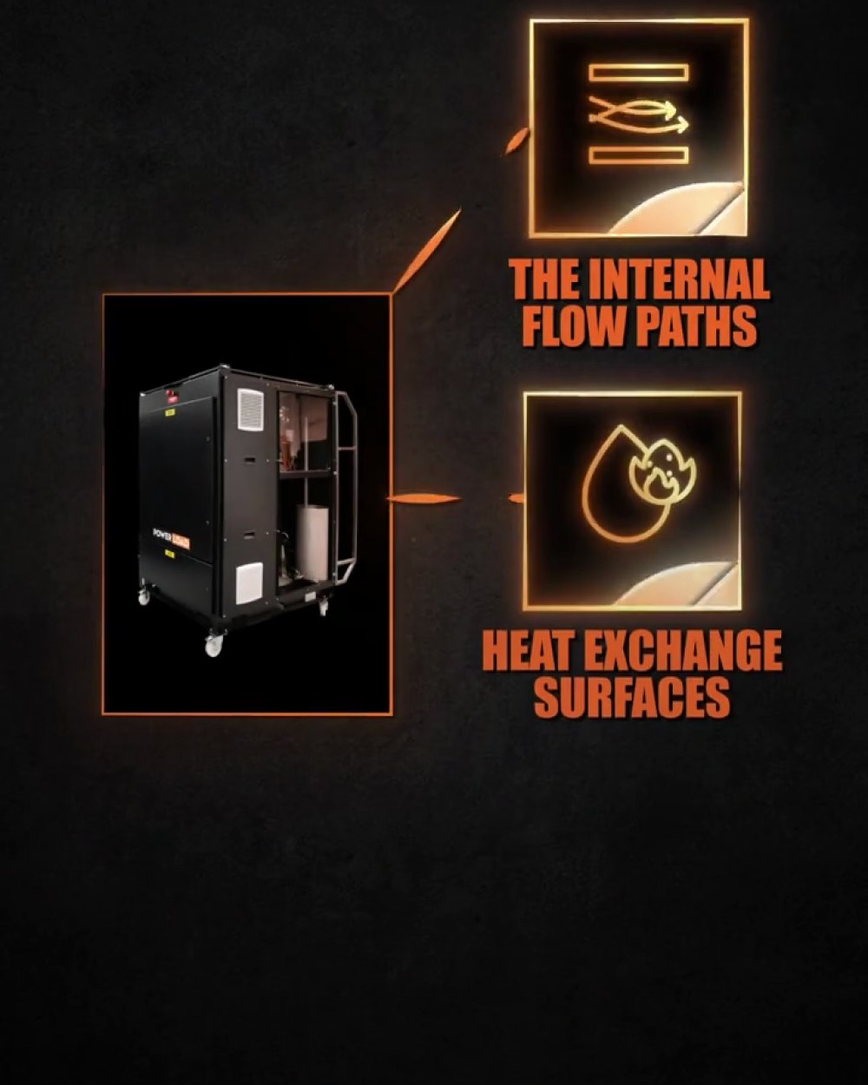
Early testing is not a token check on a part-built system. It stress tests the main pipework, the risers and the cooling plant with genuine liquid-cooled heat, at the load the building is being built to carry.

What comes back is real flow rates, real thermal behaviour and real performance under pressure, not a model.

Unbalanced, restricted or undersized

Imbalance, restriction and undersizing are the findings that matter most, and all three are far easier to correct before the hall is populated.

An undersized branch found in early testing is a design change. The same branch found when an AI rack is waiting to be powered is a programme problem, and the lead time on a replacement rarely fits the time left.

Uncertainty replaced with hard data

The commercial benefit is more than the faults caught. Weeks of uncertainty come out of the programme and are replaced with data.

That is how teams de-risk the project: an open question about whether the building will cope becomes a documented answer.
More in this topic

Liquid cooling fundamentals

FAQ

Answered

As soon as the main pipework, risers and cooling infrastructure can be run under genuine liquid-cooled conditions, which is typically months before any compute hardware is delivered. The value of the test comes from having time to act on what it finds.
It finds the same faults, but while correcting them is still possible. Imbalance, flow restriction and undersized infrastructure all need design changes or long-lead components, which will not fit the time left once hardware is installed.
Where to next

Related reading

Working back from a go-live date?

Tell us the programme and we will tell you when testing needs to start.