
Base build

Base build testingLB500LB600LB700ACLB 200Standard or solid-state switching

End-of-line

End-of-line testingLCLB 160LCLB 240ACLB 60

Applications

Cooling

Chillers and cooling plantStatic and dynamic load testing

Power

UPS systemsGeneratorsSwitchgear and power qualityProtection settings

Explained

Liquid coolingGPU load testingWater qualityLoop monitoringCommissioning

Equipment

Commissioning equipment

Manifold trolleyFlushing & refill cart

Tools

The full rangeSizing calculatorDatasheets

Services

Commissioning supportLoad bank hireHigh load simulationBespoke load banksSupply and installationMaintenance and repairDeployment and managementBuy or hireProjects

Company

AboutPartnersProjectsAcademyNewsEventsFAQ Speak to the team
Home/Explained/Liquid cooling fundamentals/Why liquid cooling is non-negotiable
Liquid cooling fundamentals

Why is liquid cooling non-negotiable for AI data centres?

Where air runs out of headroom, and what that changes for testing.

Published 26 August 2026

1:28
Where air cooling runs out, and what replaces it
10 to 15kWTypical air-cooled rack
LiquidBaseline for AI density
Direct-to-chipHeat taken at the die
Pre-GPUWhen it has to be proven

Air cooling was designed around racks of 10 to 15kW and reaches its limit well below AI rack densities. Water carries far more heat than air and can be delivered straight to the chip, so liquid is the baseline for AI density, not an upgrade to consider. Testing a hall like that is a different job.

The full answer

Where air cooling runs out

Traditional data centre cooling was designed around racks drawing 10 to 15kW. Fans, cold aisles and room air handlers handled that comfortably.

Air reaches its limit well below AI rack densities, because of what air can physically carry.

Why the old model broke

AI racks sit far above the point where air begins to fail. Air cannot move the heat fast enough or precisely enough to hold the temperatures GPU performance depends on.

The failure is not a hot aisle but silicon throttling, with the hardware losing the performance it was bought for.

Why liquid solves it

Water carries far more heat per unit volume than air, and it can be delivered directly to the chip and controlled at rack level.

Liquid cooling itself is long established. What has changed is the scale it now runs at.

What that changes about testing

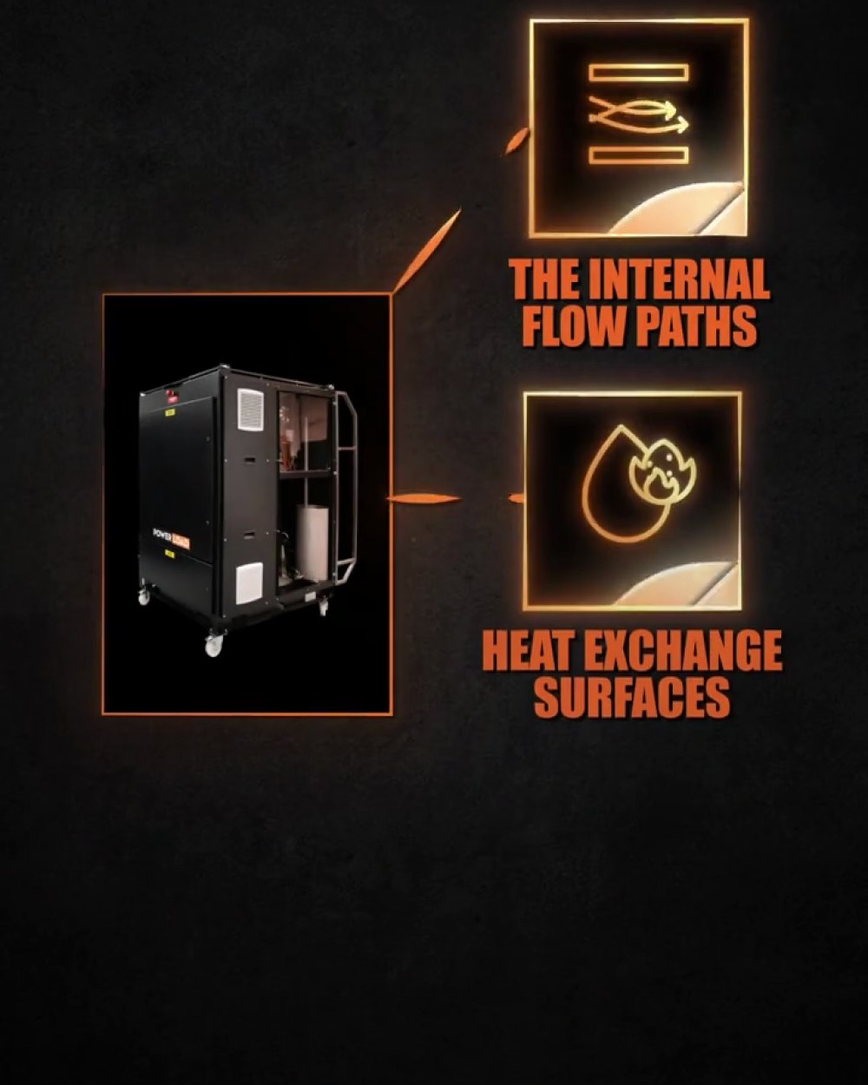
Proving one of these buildings is a different job now. You are validating a pressurised fluid circuit and a secondary cooling loop, with flow rates and delta T across every rack, water quality and thermal response under a changing GPU load.

That calls for load banks that connect to the cooling loop and produce data on how the infrastructure will actually perform: the base build range to prove the plant, and the end-of-line GPU emulators to replicate the racks.

More in this topic

Liquid cooling fundamentals

FAQ

Answered

Air cooling reaches its limit well below AI rack densities. Traditional halls were designed around 10 to 15kW racks, where air performed well, but AI racks sit far beyond what air can carry.
Water carries far more heat per unit volume than air. It can also be delivered directly to the chip and controlled at rack level, which air cannot do at any speed.
Where to next

Related reading

Designing for AI density?

We will talk through the densities you are planning for and what proving them actually takes.