Base build

Base build testingLB500LB600LB700ACLB 200Standard or solid-state switching

End-of-line

End-of-line testingLCLB 160LCLB 240ACLB 60

Applications

Cooling

Chillers and cooling plantStatic and dynamic load testing

Power

UPS systemsGeneratorsSwitchgear and power qualityProtection settings

Explained

Liquid coolingGPU load testingWater qualityLoop monitoringCommissioning

Equipment

Commissioning equipment

Manifold trolleyFlushing & refill cart

Tools

The full rangeSizing calculatorDatasheets

Services

Commissioning supportLoad bank hireHigh load simulationBespoke load banksSupply and installationMaintenance and repairDeployment and managementBuy or hireProjects

Company

AboutPartnersProjectsAcademyNewsEventsFAQ Speak to the team
Home/Explained/Water quality and flushing/Connecting the flushing cart
Water quality and flushing

How does the flushing cart connect to the system?

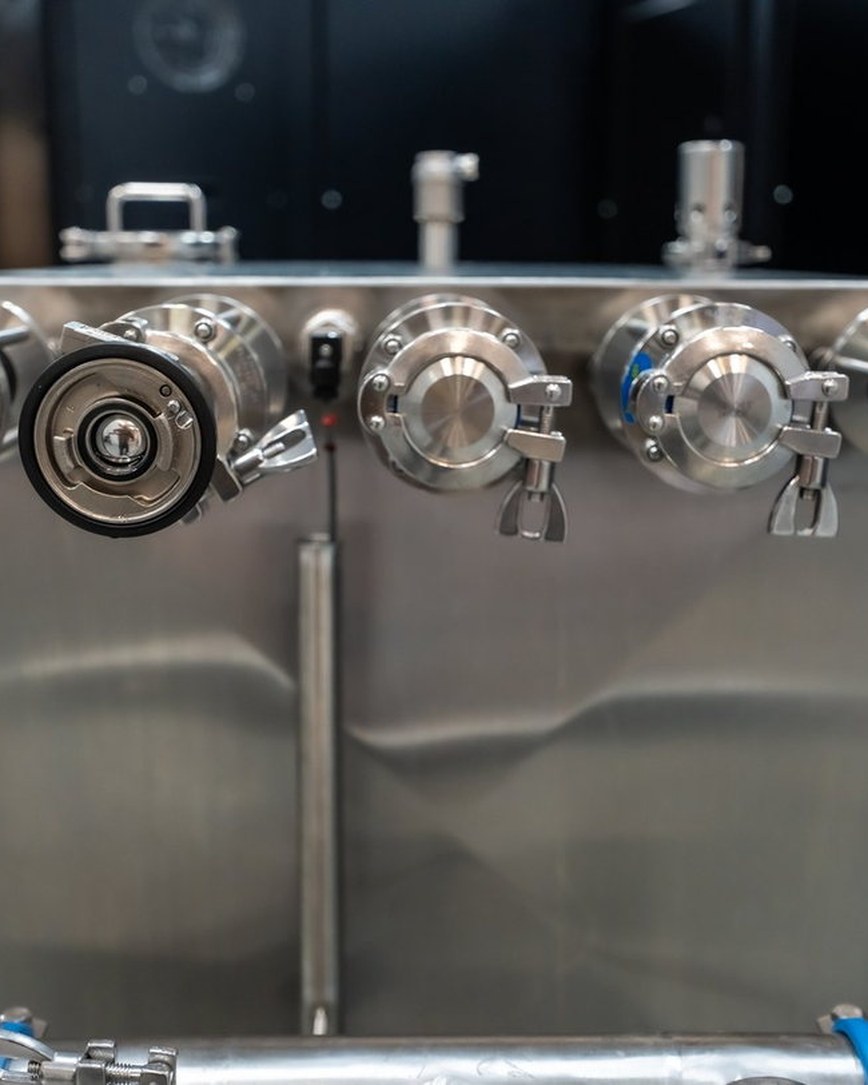
An animated walkthrough of the connection, step by step.

Published 26 August 2026

0:21
Animated walkthrough: the flushing cart connection
250LCart tank capacity
25µmFiltration
5Units served per cart
TwiceBefore and after testing

One flushing cart connects directly to the load bank units and can service up to five LB500 units from a single position. It runs a full clean flushing cycle before operation, and the same connection is used again after testing to flush and condition the system, so the load banks are left clean and protected between jobs.

The full answer

One cart, up to five LB500 units

The layout in the animation shows a single flushing cart connected directly to the load bank units. One cart services up to five LB500 units, so a full bank of base build test equipment is prepared from one connection point rather than unit by unit.

On site, that decides how much of the test window goes on preparation and how much is left for testing.

Before operation: the clean flushing cycle

Ahead of operation the cart runs a full clean flushing cycle through the connected units. This is the step that establishes the baseline condition the load test data will be built on.

Running it through the same connections used for testing means there is no reconfiguration between preparing the system and testing it.

After testing: flush and condition

The same connection is used at the other end of the job. After testing the cart flushes and conditions the system again, so the load banks are not left standing with used fluid in them.

That keeps the units clean, protected and ready for the next job. The flushing and refill cart suits either range.

More in this topic

Water quality and flushing

FAQ

Answered

One cart services up to five LB500 units from a single connection point.
No. It runs the clean flushing cycle before operation and is used again after testing to flush and condition the system, which is what keeps the units protected between jobs.
Where to next

Related reading

Planning the commissioning setup?

We will map the flushing and load bank layout for your hall before anything is booked.