Why an unprepared loop makes every reading unreliable
Commissioning only works if the cooling loops are clean, balanced and free of air. If they are not, every reading you take becomes unreliable, and the team starts chasing issues that are not really there.
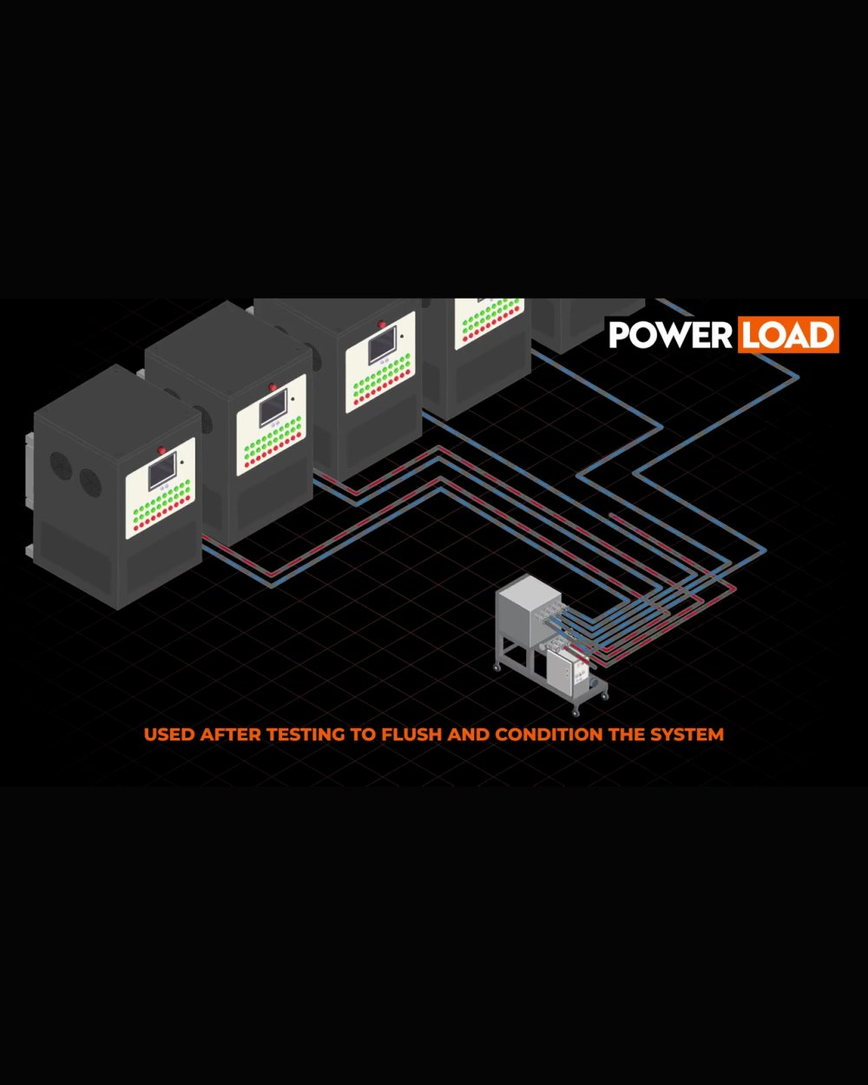
The cart deals with it before the first load test, not during it.
What the cart is built from
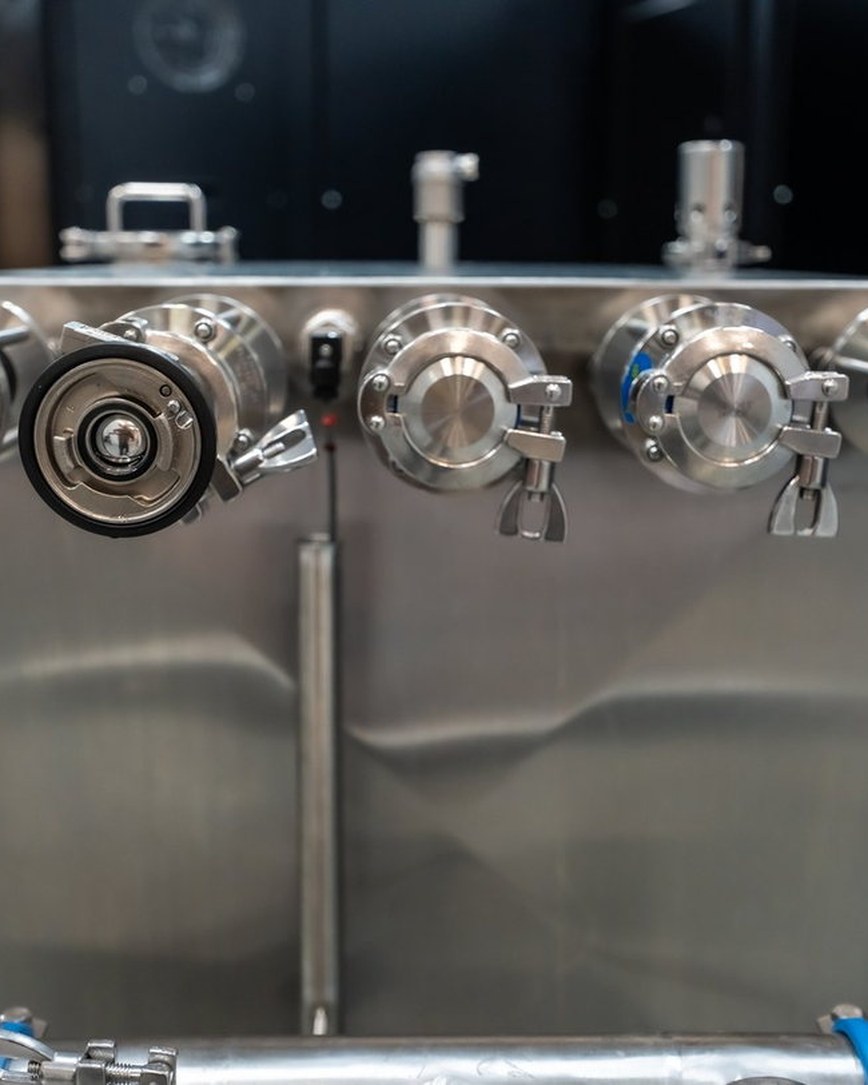
The build is deliberately industrial: a stainless steel frame, high-quality valves and a precision flow meter, sized to flush and refill circuits at controlled pressures.
Controlled pressure is what matters. It stops trapped air, debris and contaminants causing unstable flow or temperature spikes once load testing begins, and a cart that moves fluid without controlling the conditions does not solve the problem.
Quick to operate in a live hall
The pump and valve layout is arranged so technicians can move quickly, switch between operations and maintain steady flow without interrupting the rest of the setup.
Commissioning happens under time pressure in constrained spaces, and a cart that makes the whole setup stop every time you change operation costs hours across a programme.
What it changes for the test
Once a circuit has been flushed and refilled properly, the entire commissioning process becomes more predictable. The readings mean what they appear to mean, and variation in the data points at the system rather than at the fluid.
Accurate data starts with a clean, stable, air-free loop. The flushing and refill cart works with either range.