Base build

Base build testingLB500LB600LB700ACLB 200Standard or solid-state switching

End-of-line

End-of-line testingLCLB 160LCLB 240ACLB 60

Applications

Cooling

Chillers and cooling plantStatic and dynamic load testing

Power

UPS systemsGeneratorsSwitchgear and power qualityProtection settings

Explained

Liquid coolingGPU load testingWater qualityLoop monitoringCommissioning

Equipment

Commissioning equipment

Manifold trolleyFlushing & refill cart

Tools

The full rangeSizing calculatorDatasheets

Services

Commissioning supportLoad bank hireHigh load simulationBespoke load banksSupply and installationMaintenance and repairDeployment and managementBuy or hireProjects

Company

AboutPartnersProjectsAcademyNewsEventsFAQ Speak to the team
Water quality and flushing

Why do clean cooling loops matter so much?

What debris and scale actually do to heat transfer, pumps and cold plates.

Published 26 August 2026

0:39
Why invisible problems cause most commissioning delays
250LCart tank capacity
25µmFiltration
DualPump on the cart
BeforeLoad testing begins

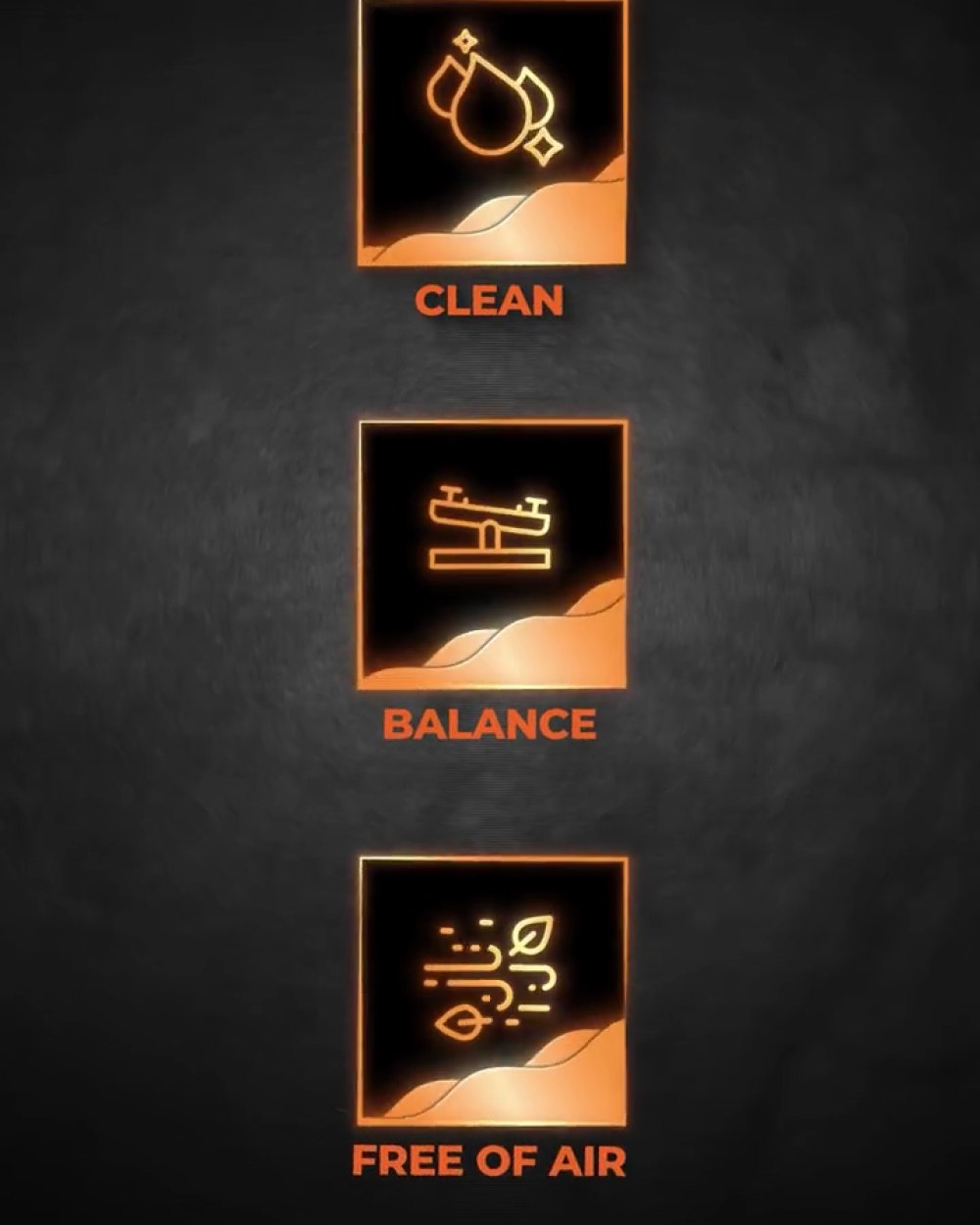
Because a dirty or air-filled circuit does not announce itself. It shows up later as unstable temperatures, restricted flow and readings that drift for no visible reason, and the team ends up chasing faults that are not there. Starting from a flushed, balanced, air-free loop removes a whole category of phantom problems before the first load test.

The full answer

Most commissioning delays are invisible problems

When a commissioning programme slips, the cause is rarely dramatic. It is usually a problem nobody can see, inside sealed pipework, that produces confusing symptoms somewhere else.

Dirty or air-filled circuits are the most common culprit, and the easiest to prevent.

What a badly flushed loop actually does

A loop that has not been flushed properly gives you trapped air, debris in circulation, flow restrictions and unstable temperatures, none of them visible from outside the pipework.

Trapped air is awkward because it moves. A pocket that sits harmlessly during a static check can migrate under flow and starve a branch just as you take a reading from it.

Phantom faults cost real programme time

The cost is not the contamination itself but the time spent chasing what it causes. Unstable readings get investigated as equipment, control or design faults, because that is exactly what they look like.

Engineers end up troubleshooting a system that is working correctly but being fed bad conditions, which puts time on the critical path for a problem a proper flush would have removed.

Start with a clean loop

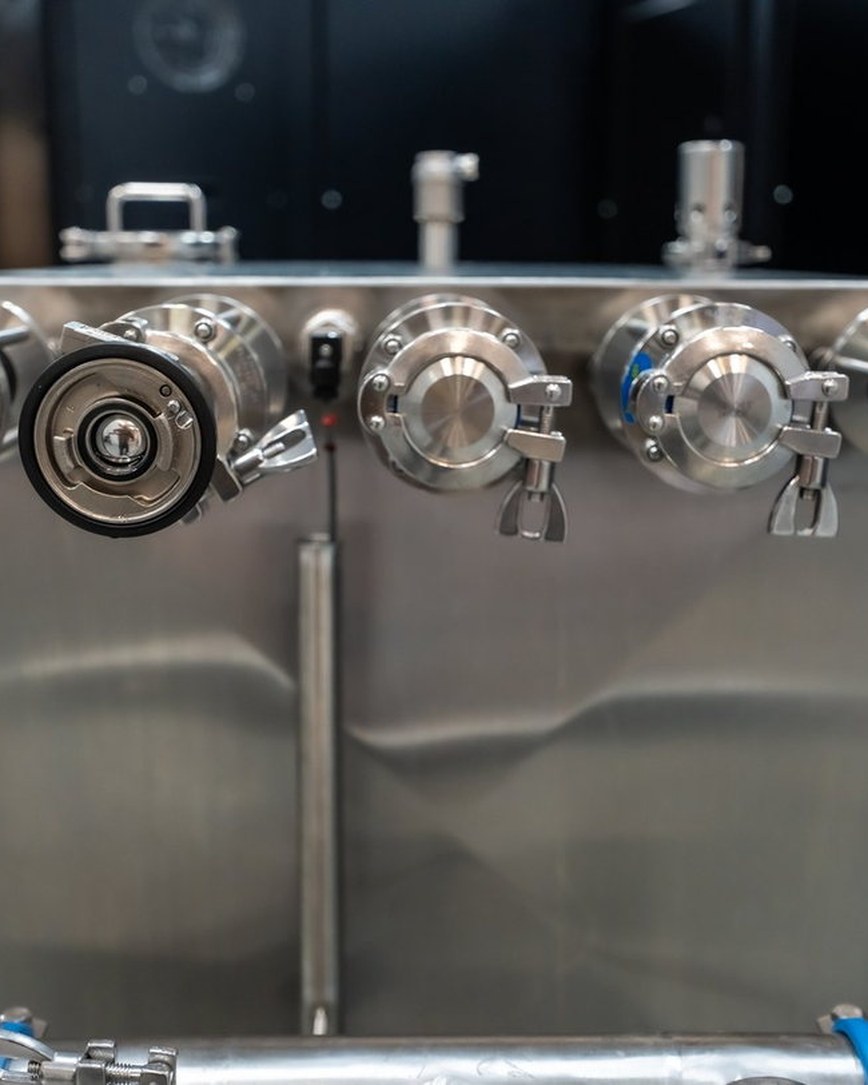
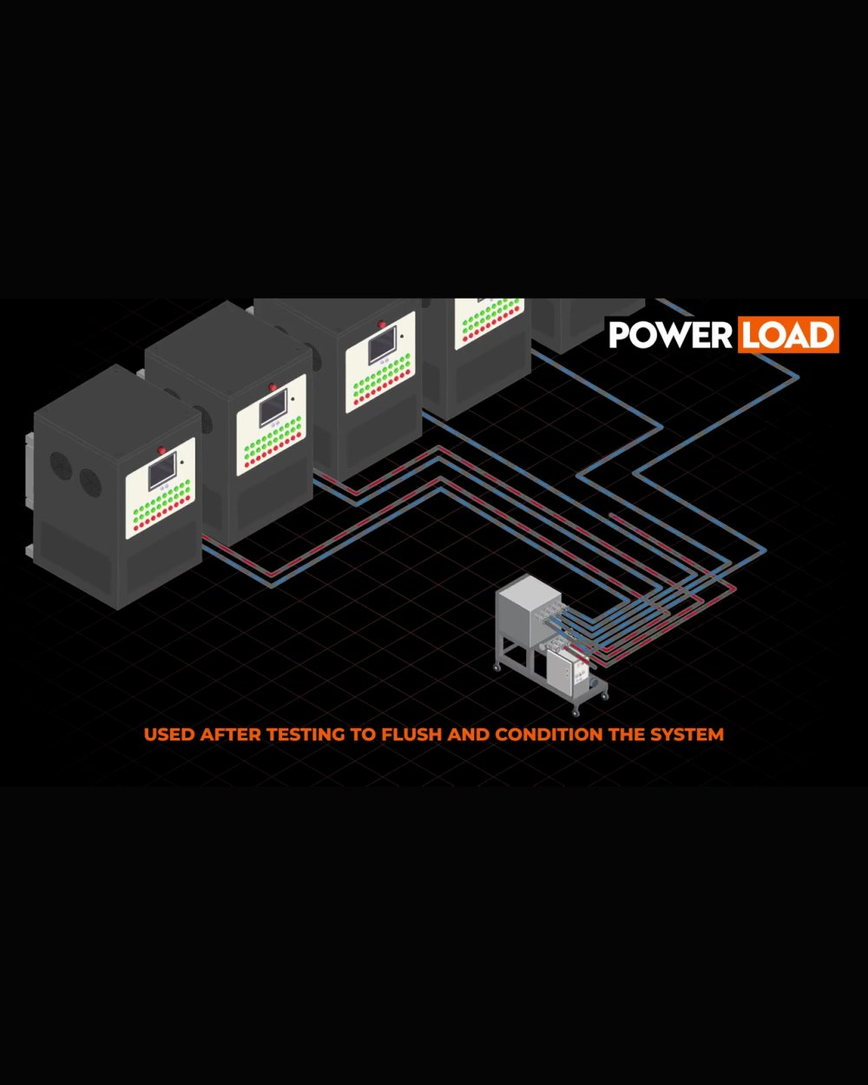
The flushing and refill cart cleans, balances and refills liquid-cooled systems at consistent pressure and flow, so testing starts with a stable, air-free circuit.

That means fewer interruptions and fewer false alarms from the first reading.
More in this topic

Water quality and flushing

FAQ

Answered

Air displaces coolant, restricts flow and moves around the circuit under pressure. It produces unstable temperatures and inconsistent readings that are easily mistaken for equipment or control faults, so it wastes diagnostic time as well as degrading cooling.
Before load testing begins. The point of flushing is to make the readings you take during commissioning trustworthy, so it has to happen ahead of the tests that depend on those readings.
Where to next

Related reading

Losing time to problems you cannot see?

We will look at your loop preparation and tell you what is worth doing before testing starts.