The manifold is where a test holds together
When you are commissioning a liquid-cooled system at scale, the manifold is the point at which everything either runs smoothly or falls apart.
If flow, pressure and temperature cannot be controlled on each individual circuit, the whole test becomes unreliable, because every number is affected by conditions nobody could hold steady.
Three things on every circuit
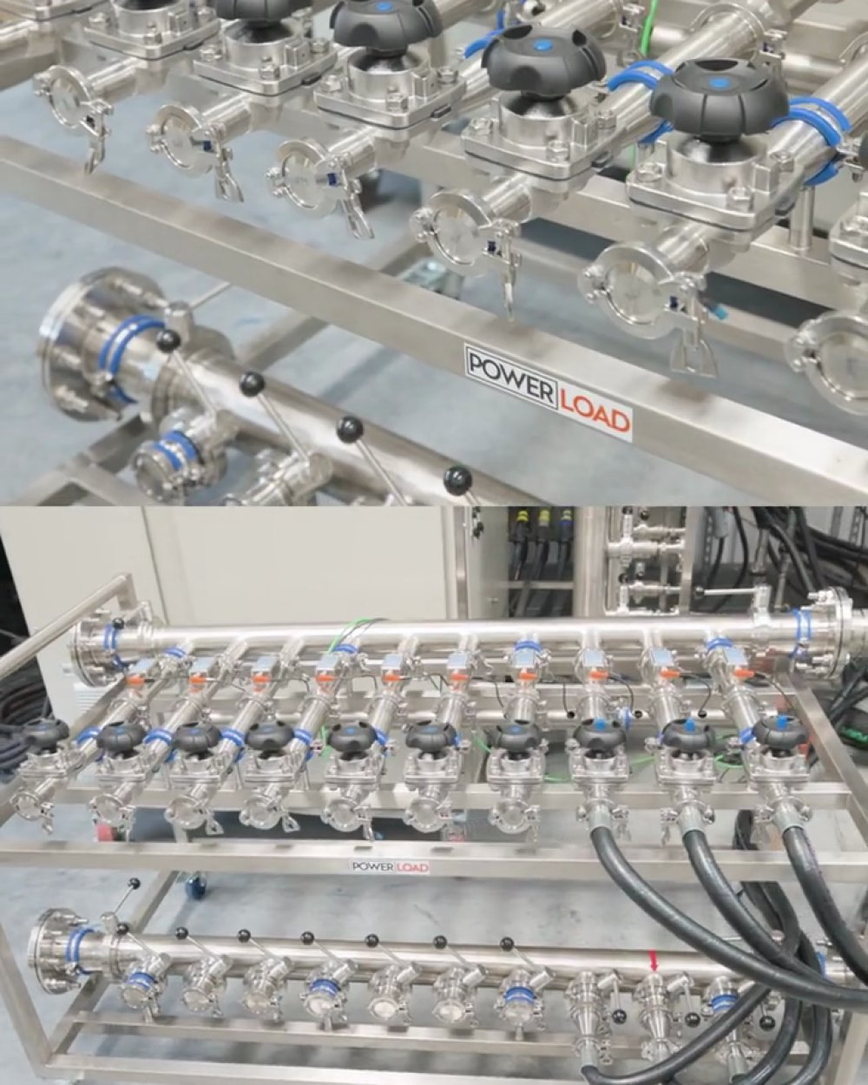
The design gives each circuit its own isolation valve, accurate flow metering and quick-connect fittings. Those three together are what make per-circuit control practical rather than theoretical.
The isolation valve lets a circuit be taken out without affecting the others. The flow meter makes the circuit measurable on its own terms. The quick-connect fitting means reconfiguring takes minutes rather than becoming a decision about whether it is worth the disruption.
Reconfigure without shutting everything down
The practical consequence is that the system can be configured or rebalanced without shutting everything down.
On a live commissioning programme that is the difference between adapting to what you find and living with the layout you started with. A setup that can only be changed by stopping tends not to get changed.
Built for engineers working in tight spaces
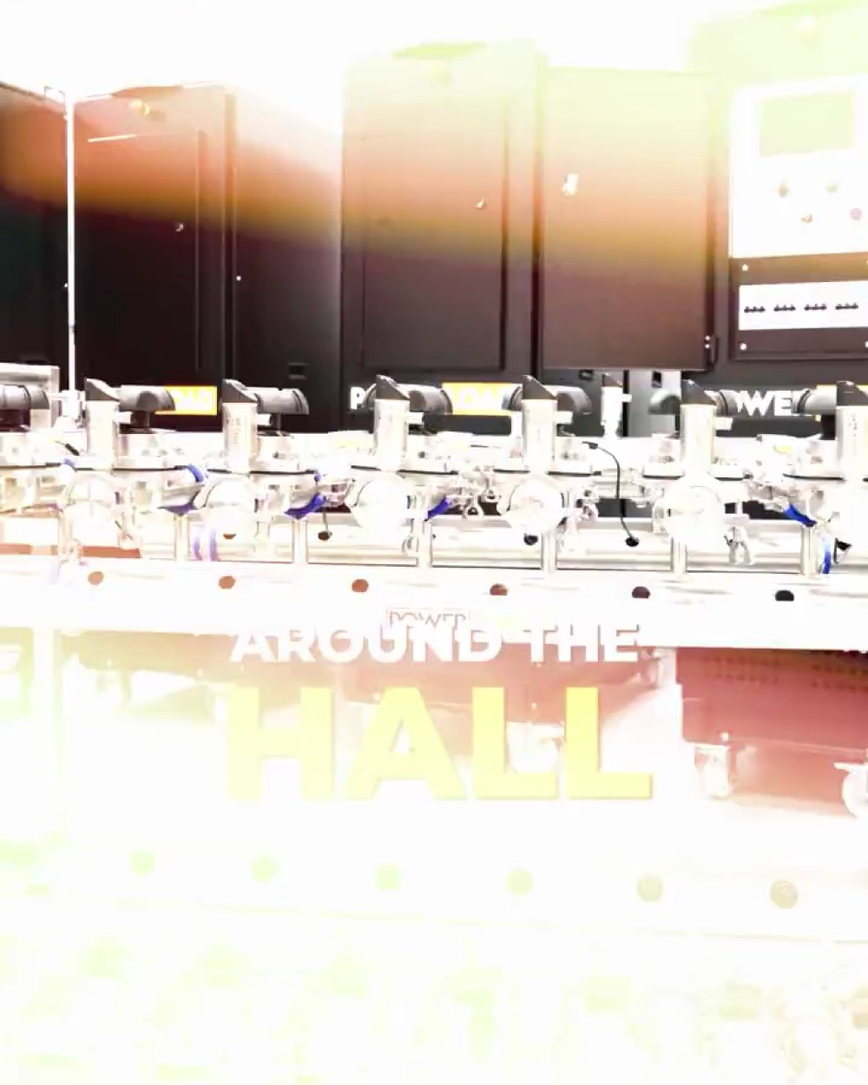
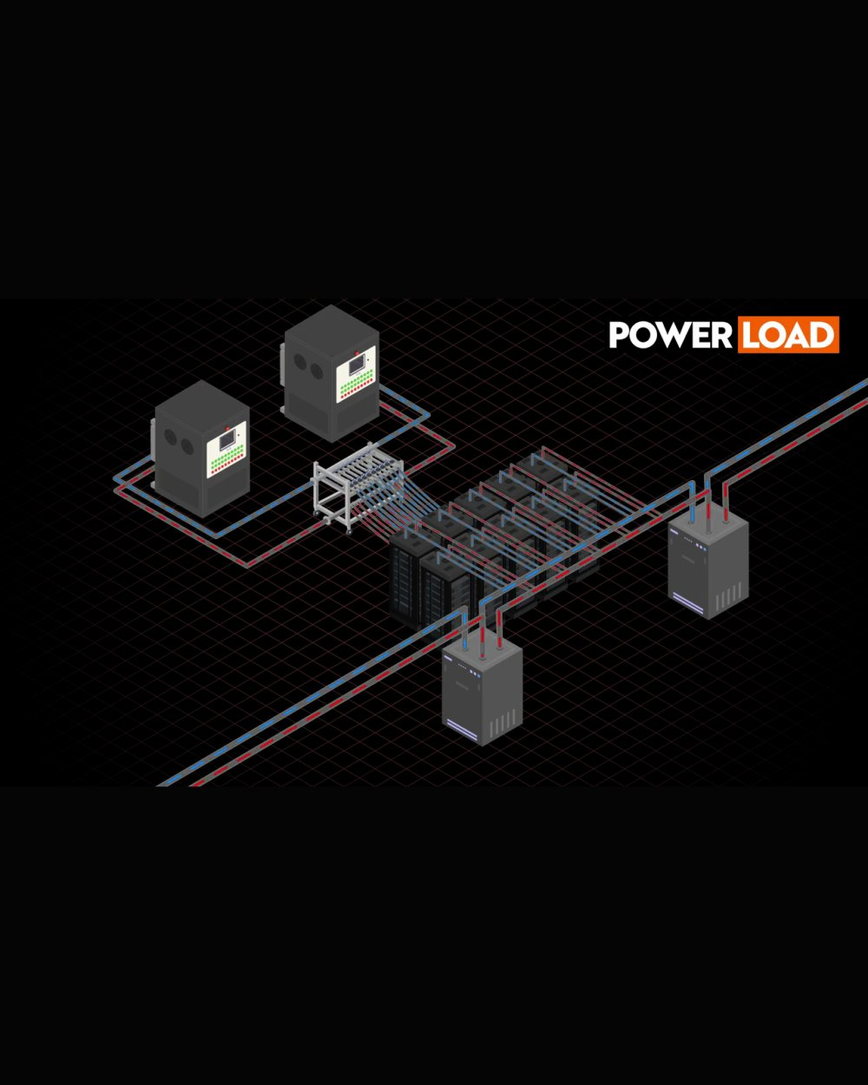
The layout is clean and quick to work on, even in tight data hall spaces. It connects directly to the LB500 in the base build range and gives one point from which several load banks are managed.
Readings come from one place, so nobody chases them across the room, and connections are made as designed rather than improvised. The kit itself is the manifold trolley.