The overlooked half of commissioning
Conversations about testing concentrate on generating load: how much, how fast, how realistic. How you observe what the loop does in response gets far less attention.
That is where instrumented manifolds make the difference. A realistic load on a system you cannot see inside gives a pass or a fail, not an understanding.
Measured across every hose, in real time
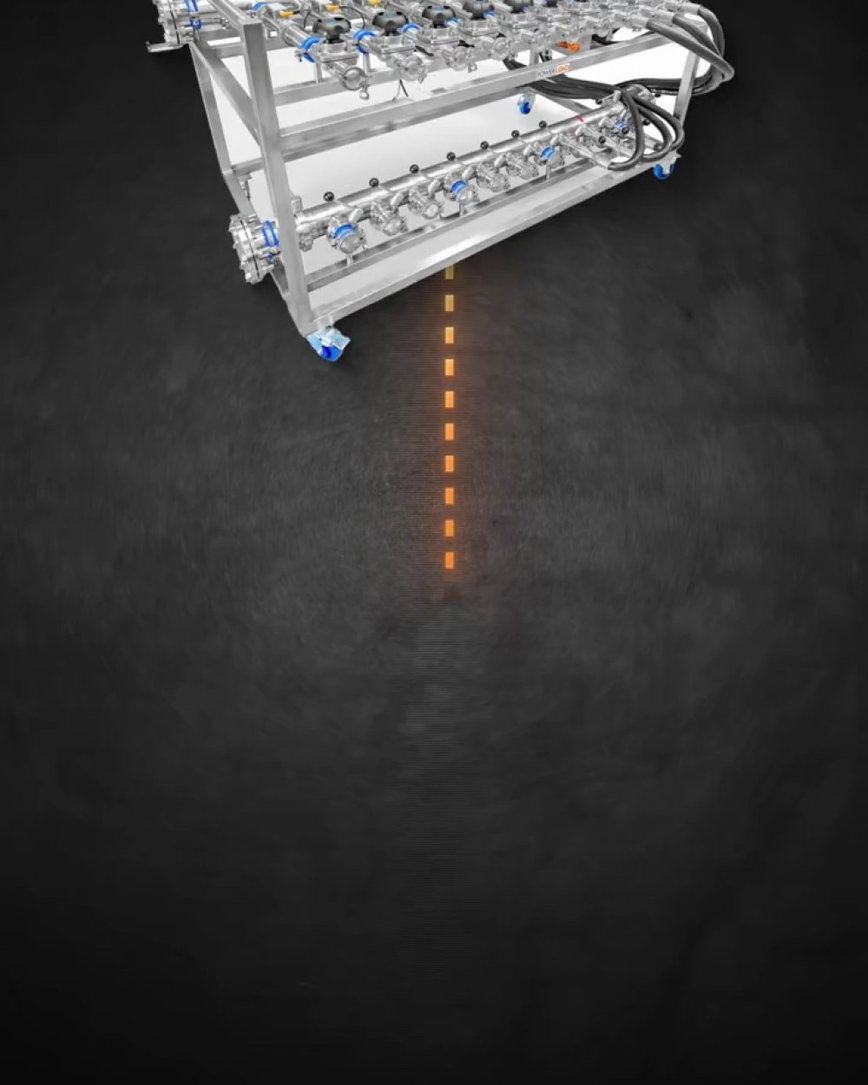
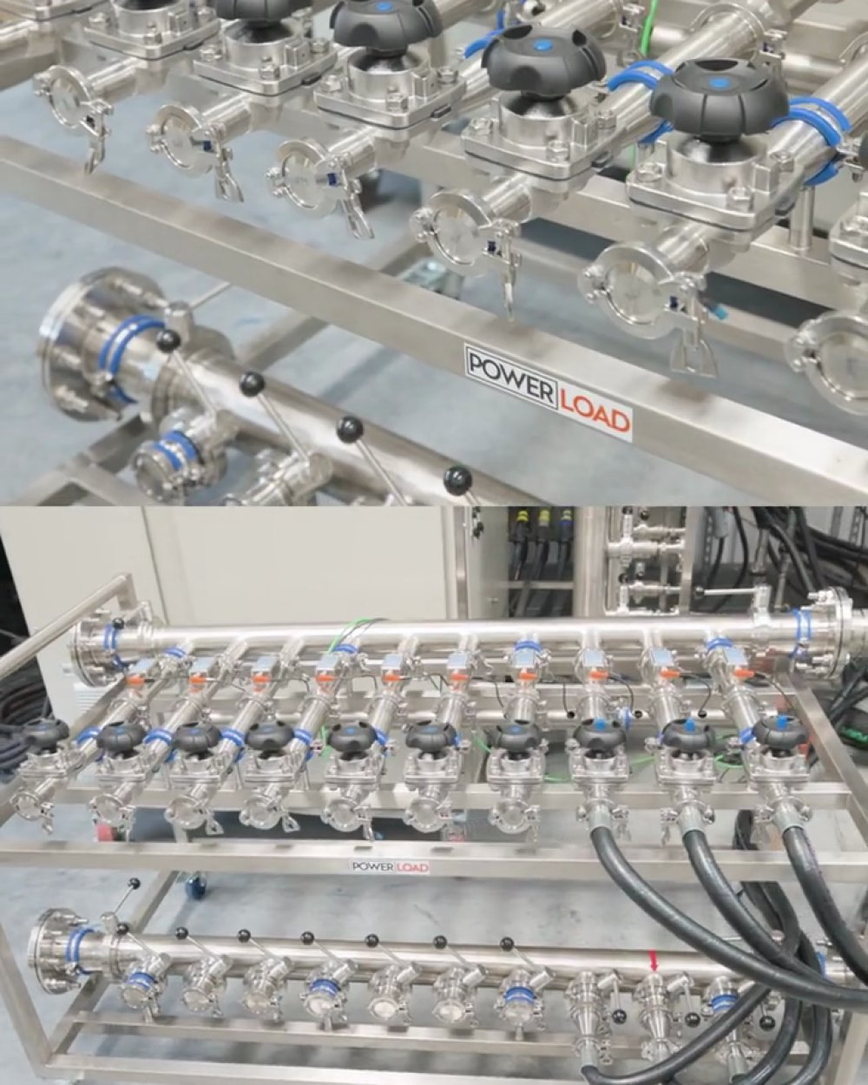
Each manifold is custom built and fully instrumented, measuring flow, temperature and pressure across every hose in real time.
Per-hose measurement is what turns an aggregate into evidence. Instead of confirming the system performed acceptably overall, you can show what each individual circuit delivered while the load was applied.
Catching issues early and removing guesswork
It is an optional upgrade, and many teams treat it as standard because of what the visibility does to programme risk. It catches issues early and lets performance be validated with confidence, particularly at scale.
When timelines are tight and handover is close, this data is no longer helpful but critical. It is the difference between believing the hall is ready and being able to show it.
Feeding remote monitoring
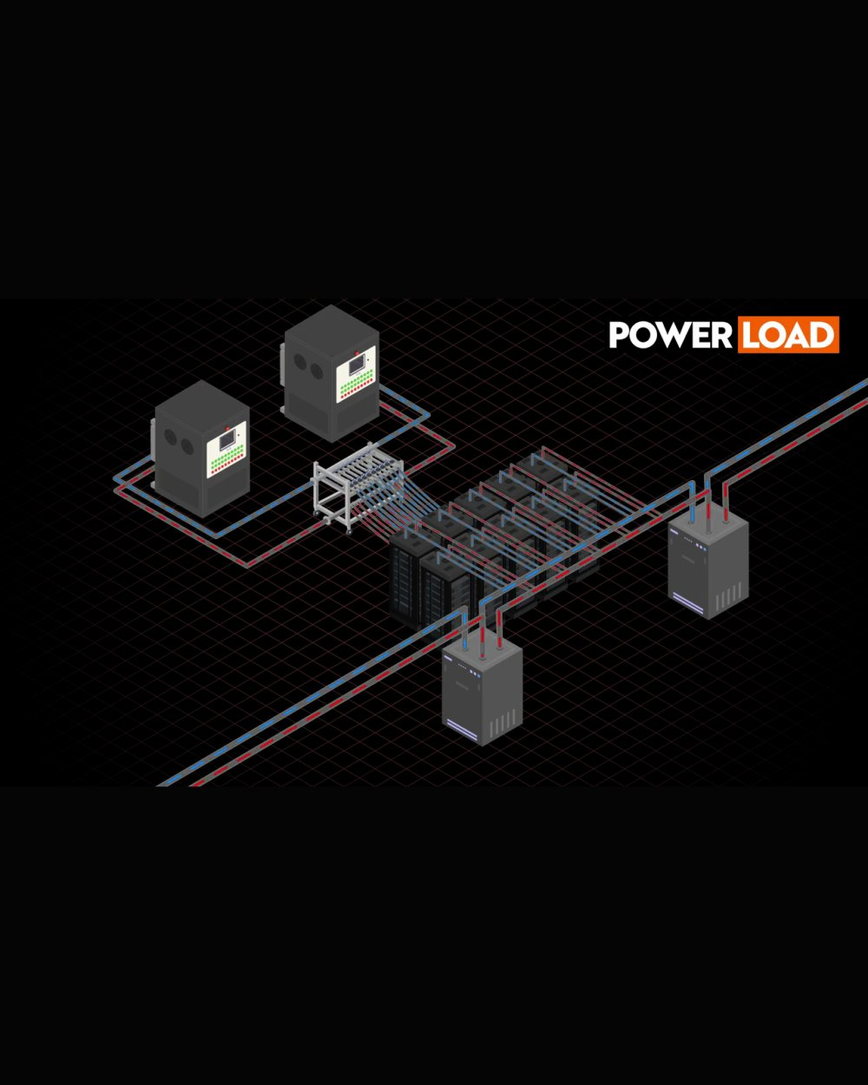
The instrumentation feeds remote monitoring, so the data is not trapped in the manifold and the test data can be exported for the record.
Engineers can act on a bottleneck as it develops, before it turns into a failure.