The delay is not created during testing
Most people assume delays happen during testing, because that is when they become visible. In practice they start much earlier.
By the time a commissioning team is on site, most of the programme risk has already been set by decisions taken weeks or months before.
What a late-planned programme looks like
It has a consistent shape. The kit is booked at the last minute, the site layout is unclear and nobody is certain about the connections.
Engineers then spend site time fixing issues that should have been solved weeks earlier, which is the most expensive way to answer a question that was never difficult.
Planning the deployment from day one
The alternative is to think about the full deployment from the first conversation: timelines, access routes, hose runs, power requirements and how each unit will apply load in your specific space.
None of these are exotic questions. Answering them in advance costs a fraction of what answering them on site does.
Plan the test set-up early
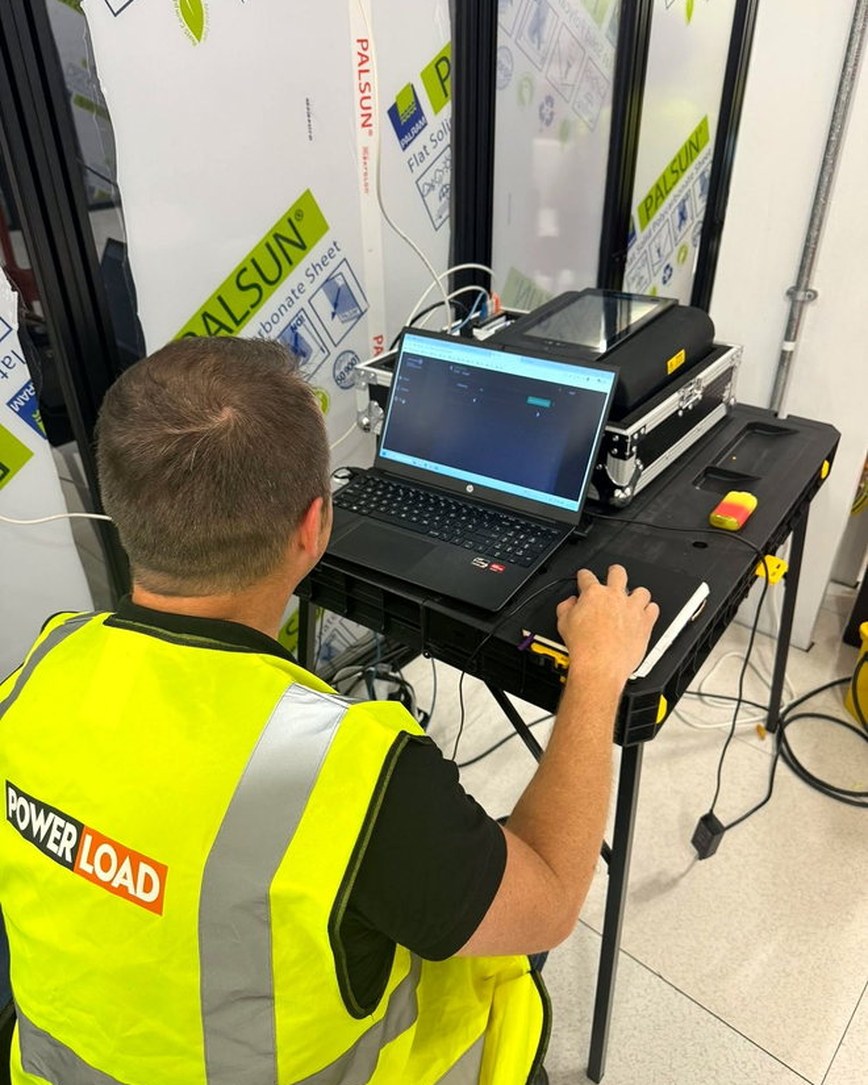
PowerLoad supplies the load banks and supports the team that uses them. Planning the test set-up together early means infrastructure faults are found before they turn into commissioning problems.
That is where the real time saving on a programme comes from, and it happens long before anyone switches a load bank on.