Base build

Base build testingLB500LB600LB700ACLB 200Standard or solid-state switching

End-of-line

End-of-line testingLCLB 160LCLB 240ACLB 60

Applications

Cooling

Chillers and cooling plantStatic and dynamic load testing

Power

UPS systemsGeneratorsSwitchgear and power qualityProtection settings

Explained

Liquid coolingGPU load testingWater qualityLoop monitoringCommissioning

Equipment

Commissioning equipment

Manifold trolleyFlushing & refill cart

Tools

The full rangeSizing calculatorDatasheets

Services

Commissioning supportLoad bank hireHigh load simulationBespoke load banksSupply and installationMaintenance and repairDeployment and managementBuy or hireProjects

Company

AboutPartnersProjectsAcademyNewsEventsFAQ Speak to the team
Home/Explained/Replicating GPU load/Commissioning for the AI era
Replicating GPU load

What does commissioning for the AI era involve?

What changed when the load stopped sitting still.

Published 26 August 2026

0:51
What changed when the load stopped sitting still
FastSolid-state switching
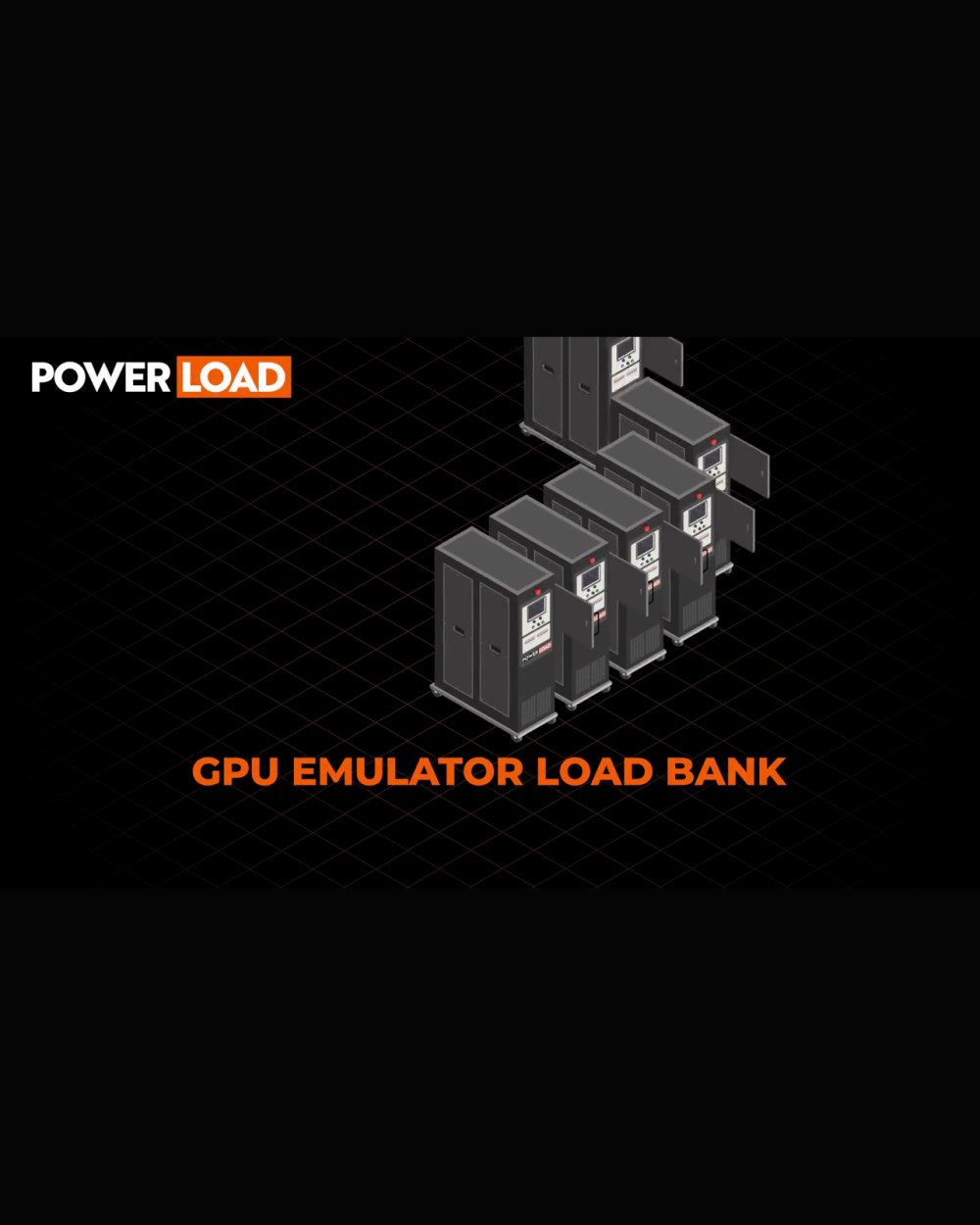
160kWPer emulator unit
320kWPaired, two units
RackLevel, not just the riser

Commissioning for the AI era means proving infrastructure against load that moves rather than load that sits still. AI changed the behaviour of the load, not just its size, so the whole cooling ecosystem and the power chain have to respond when the load changes quickly, in both directions. That takes solid-state load steps, dynamic pressure shifts and flow reactions that mirror a live environment.

The full answer

AI changed the behaviour of the load

A one-megawatt hall used to mean one megawatt of load, one megawatt of heat and a cooling system shown to cope with it. AI changed that. The question now is whether the whole infrastructure responds when the load changes, and changes very quickly.

That means the CDUs, pumps, control valves, sensors and controllers as well as the plant, and the power side too. At these densities liquid cooling is no longer optional, and the way it is tested has to keep up.

Load banks that do more than generate heat

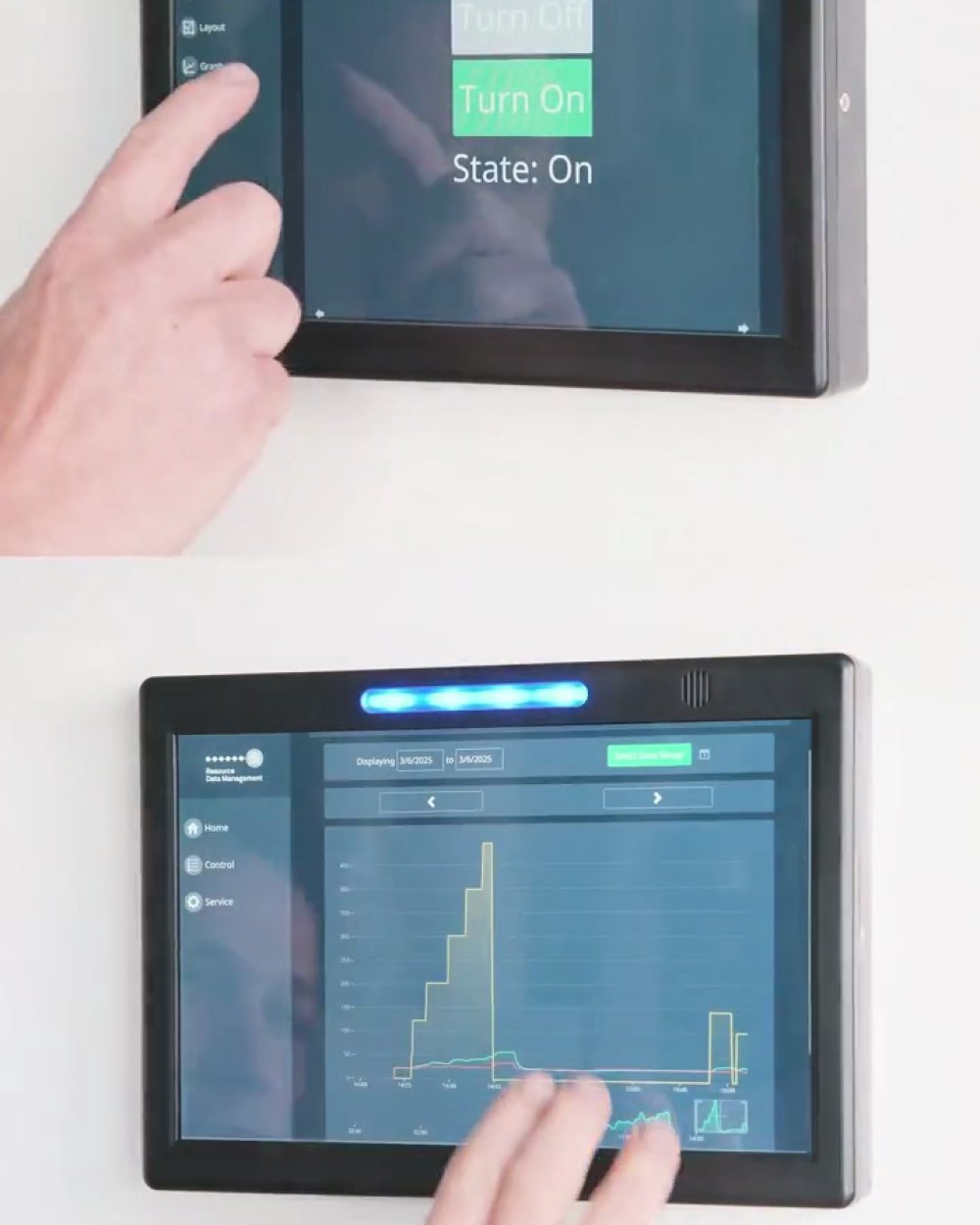
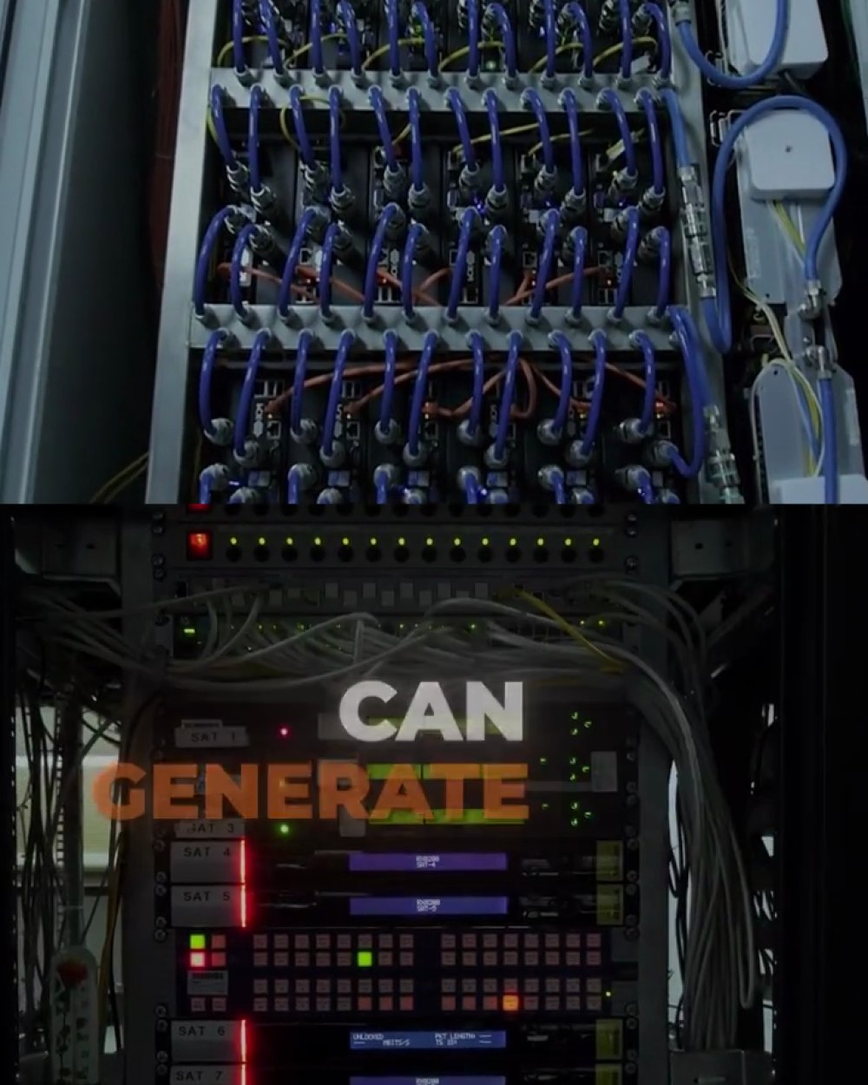
PowerLoad load banks are built to do more than generate heat. The end-of-line range replicates the real-time switching behaviour of high-density AI racks.

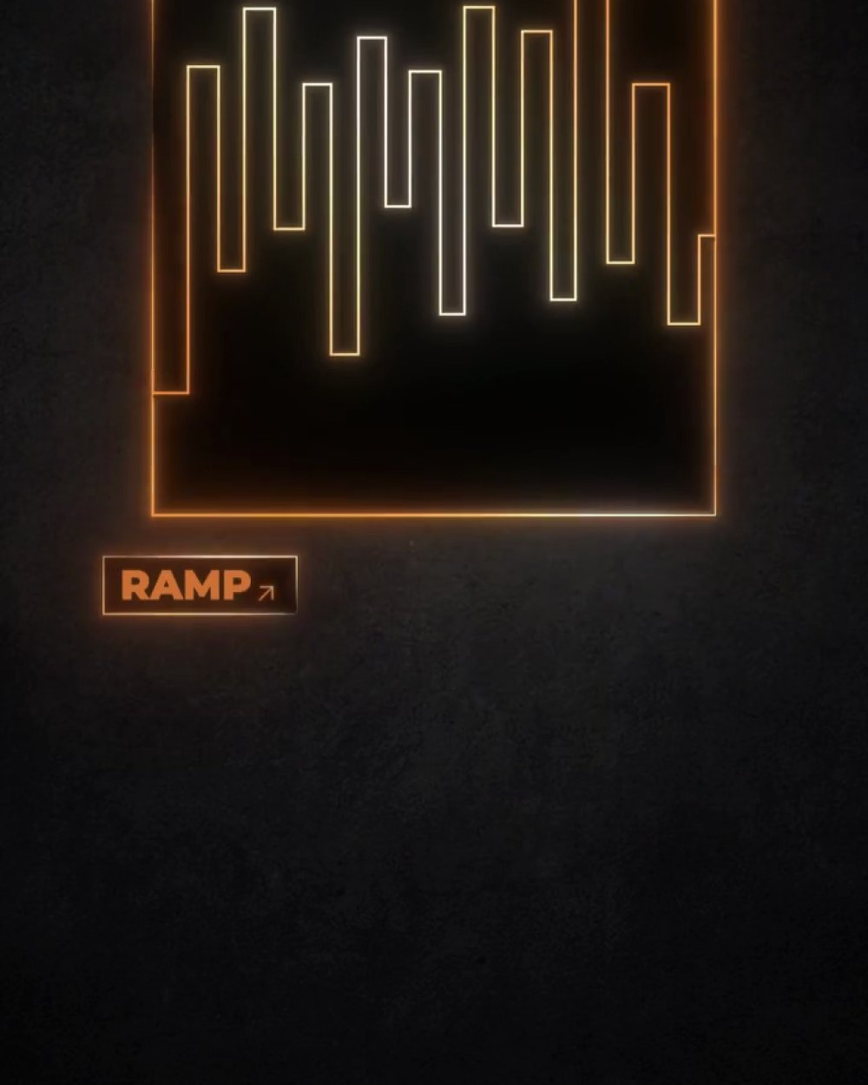
Three things happen together: solid-state load steps on the electrical side, dynamic pressure shifts through the cooling circuit, and flow reactions that mirror what a live environment produces.

The risk sitting in most commissioning setups

The issue is that most commissioning setups still use a static load. They hold the infrastructure steady, confirm nothing trips and record a pass.

What they miss are the spikes, and the spikes are the risk. A programme that signs off on static data has proved capacity and left behaviour untested, which is the half that fails in service.

Validating infrastructure the way it will be used

The alternative is to test the infrastructure the way it will be used, including what happens when the load suddenly drops, because the system has to respond in both directions.

If AI is changing the infrastructure being designed, the way it is tested has to change with it.
More in this topic

Replicating GPU load

FAQ

Answered

Density and dynamics. Rack power densities now require liquid cooling, and the load itself moves quickly rather than holding steady, so commissioning has to validate how a fluid circuit responds as well as what it can carry.
It needs to step the load fast with solid-state switching, drive dynamic pressure shifts through the cooling circuit and produce flow reactions that mirror a live environment, rather than applying a steady load and generating heat.
Where to next

Related reading

Building for what is coming?

We will look at your commissioning approach against the densities you are designing for.