Base build

Base build testingLB500LB600LB700ACLB 200Standard or solid-state switching

End-of-line

End-of-line testingLCLB 160LCLB 240ACLB 60

Applications

Cooling

Chillers and cooling plantStatic and dynamic load testing

Power

UPS systemsGeneratorsSwitchgear and power qualityProtection settings

Explained

Liquid coolingGPU load testingWater qualityLoop monitoringCommissioning

Equipment

Commissioning equipment

Manifold trolleyFlushing & refill cart

Tools

The full rangeSizing calculatorDatasheets

Services

Commissioning supportLoad bank hireHigh load simulationBespoke load banksSupply and installationMaintenance and repairDeployment and managementBuy or hireProjects

Company

AboutPartnersProjectsAcademyNewsEventsFAQ Speak to the team
Home/Explained/Replicating GPU load/Solid-state switching explained
Replicating GPU load

What is solid-state switching and why does it matter?

Standard and solid-state switching in plain terms, and which one your test needs.

Published 26 August 2026

1:33
The two kinds of switching, and which follows a GPU
1kWFinest step on the LB700
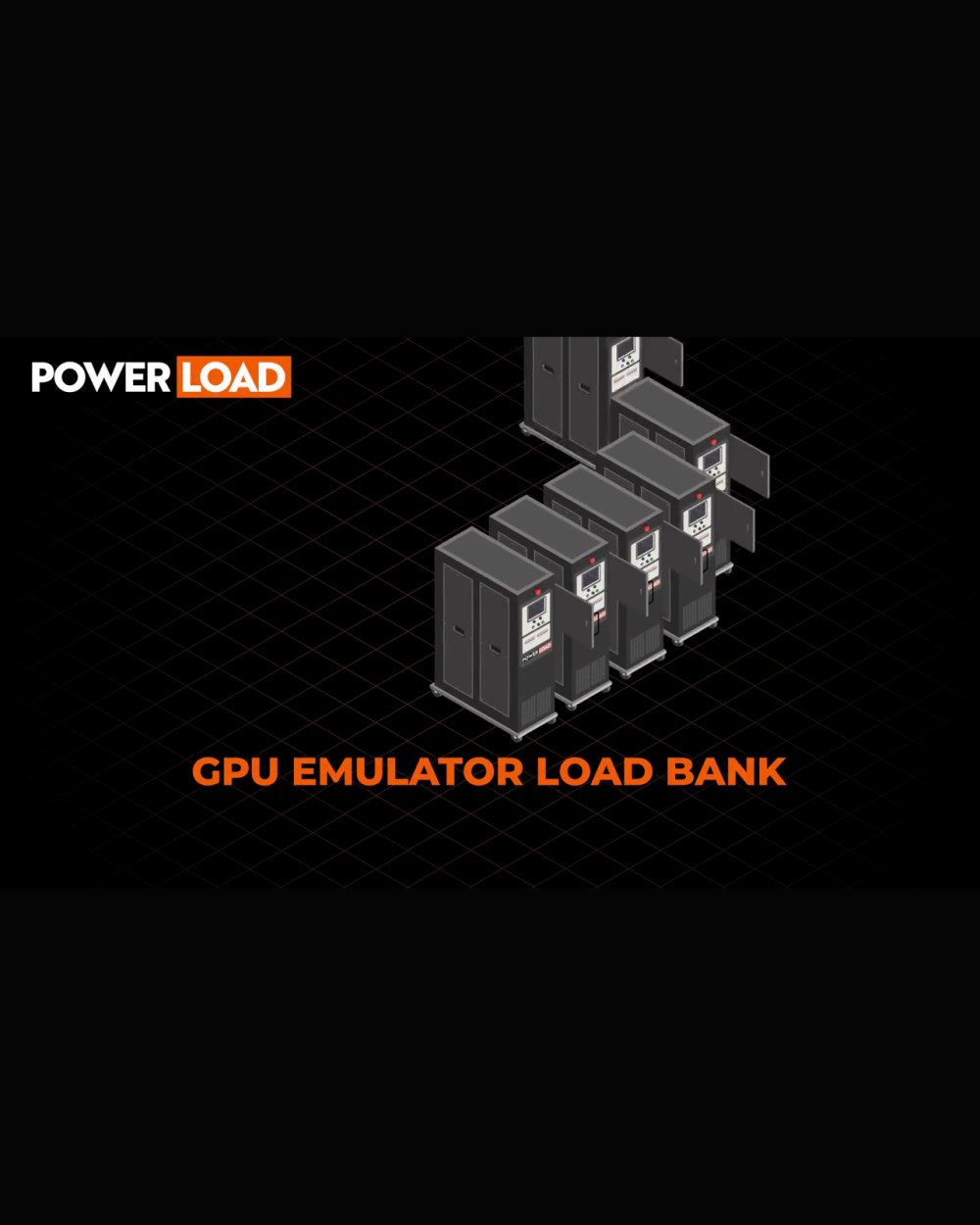
160kWPer emulator unit
320kWPaired, two units
RackLevel heat and electrical

A standard load bank switches its load with contactors, which suits steady testing. Solid-state switching has no moving parts, so the load can change as quickly as an AI workload does. It is an optional extra on the base build range and is built into the end-of-line GPU emulators.

The full answer

Standard switching

A standard load bank uses contactors to add and remove load in set steps. It is what base build testing needs when the specification only asks for static load: the heat is steady and you are proving the chillers, CDU and risers can carry it.

Solid-state switching

Solid-state switching has no moving parts, so the load can rise and fall as quickly as a GPU load does, including at low load. Power and cooling then see the surges and drops they will see in service.

Which one you need

If the specification asks for static load testing, standard switching on the base build range is enough. If it asks for transient testing, add solid-state switching to the base build load bank. For true rack-level replication, the end-of-line GPU emulators have it built in.

More in this topic

Replicating GPU load

FAQ

Answered

Solid-state switching adds and removes load with no moving parts, so the load changes as quickly as an AI workload does. Contactor-based banks step far more slowly.
Contactors step the load in set increments, much more slowly than solid-state switching. They suit steady load tests, but cannot reproduce the quick swings of a GPU workload.
Where to next

Related reading

Not sure which switching you need?

Send us the test requirement in your specification and we will tell you which range fits.