Base build

Base build testingLB500LB600LB700ACLB 200Standard or solid-state switching

End-of-line

End-of-line testingLCLB 160LCLB 240ACLB 60

Applications

Cooling

Chillers and cooling plantStatic and dynamic load testing

Power

UPS systemsGeneratorsSwitchgear and power qualityProtection settings

Explained

Liquid coolingGPU load testingWater qualityLoop monitoringCommissioning

Equipment

Commissioning equipment

Manifold trolleyFlushing & refill cart

Tools

The full rangeSizing calculatorDatasheets

Services

Commissioning supportLoad bank hireHigh load simulationBespoke load banksSupply and installationMaintenance and repairDeployment and managementBuy or hireProjects

Company

AboutPartnersProjectsAcademyNewsEventsFAQ Speak to the team
Home/Explained/Replicating GPU load/Testing before hardware arrives
Replicating GPU load

How do you test high-density GPU racks before the hardware arrives?

Prove the cooling and power in the hall before any GPUs are installed.

Published 26 August 2026

0:42
Removing deployment-day risk before deployment day
160kWLCLB 160 emulator
240kWLCLB 240 emulator
RackLevel heat and electrical
BeforeAny GPUs are installed

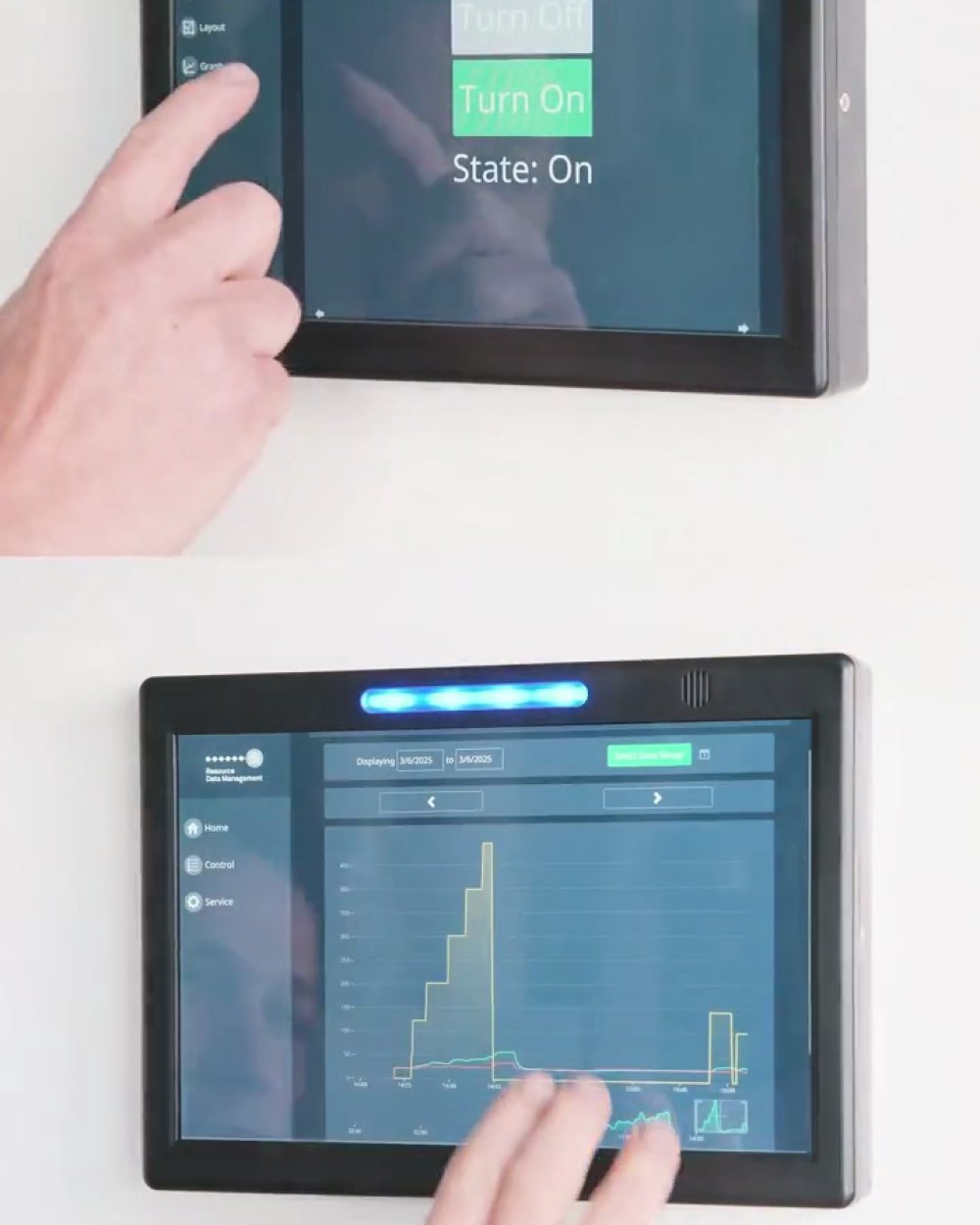
Replicate the heat and electrical behaviour of the GPU racks first. The end-of-line GPU emulators reproduce each rack's load before any hardware is delivered, so you see how the cooling loops respond, how stable the flows are and whether the system copes with surges and sudden drops. You reach deployment day knowing the environment works.

The full answer

The biggest risk in an AI-ready build

The biggest risk in an AI-ready build is waiting for the real GPU racks to arrive before you know the site can handle them.

If the cooling, flow or power is not right, you find out with the GPUs on the floor and the clock running, when every option is slow and expensive.

Replicating the racks in advance

Testing early keeps the programme out of that position. The end-of-line emulators reproduce the heat and electrical behaviour of a real rack at every position in the hall, so the whole infrastructure is stressed before delivery.

It tests the building under the conditions it will face, not a partial check.

What you actually see

You see how the cooling loops respond under real heat, how stable the flows are once the system is working, and whether the power side copes with surges and sudden drops as well as sustained draw.

Each of those questions otherwise stays open until the most expensive moment to answer it.

Deployment day with no surprises

You walk into deployment day already knowing the environment works, with no scramble and no downtime while something is diagnosed under pressure.

It is the most reliable way to de-risk the project, because problems are found when finding them is still useful.
More in this topic

Replicating GPU load

FAQ

Answered

Yes, and that is when testing is most useful. Equipment that replicates the heat and electrical behaviour of GPU racks lets the cooling, flow and power be stress tested before any compute arrives.
How the cooling loops respond under real heat, how stable flows are in service, and whether the infrastructure copes with surges and sudden drops rather than only sustained load.
Where to next

Related reading

Hardware arriving soon?

We will tell you what can still be proven in the time you have left.