Base build

Base build testingLB500LB600LB700ACLB 200Standard or solid-state switching

End-of-line

End-of-line testingLCLB 160LCLB 240ACLB 60

Applications

Cooling

Chillers and cooling plantStatic and dynamic load testing

Power

UPS systemsGeneratorsSwitchgear and power qualityProtection settings

Explained

Liquid coolingGPU load testingWater qualityLoop monitoringCommissioning

Equipment

Commissioning equipment

Manifold trolleyFlushing & refill cart

Tools

The full rangeSizing calculatorDatasheets

Services

Commissioning supportLoad bank hireHigh load simulationBespoke load banksSupply and installationMaintenance and repairDeployment and managementBuy or hireProjects

Company

AboutPartnersProjectsAcademyNewsEventsFAQ Speak to the team
Home/Explained/Replicating GPU load/Replicating GPU behaviour
Replicating GPU load

How do you replicate exact GPU electrical and thermal behaviour?

Matching both the electrical transients and the heat signature of a real rack.

Published 26 August 2026

1:00
Matching both the electrical and the thermal signature
Solid-stateSwitching, not contactors
160kWPer emulator unit
320kWPaired, two units
RackLevel heat and electrical

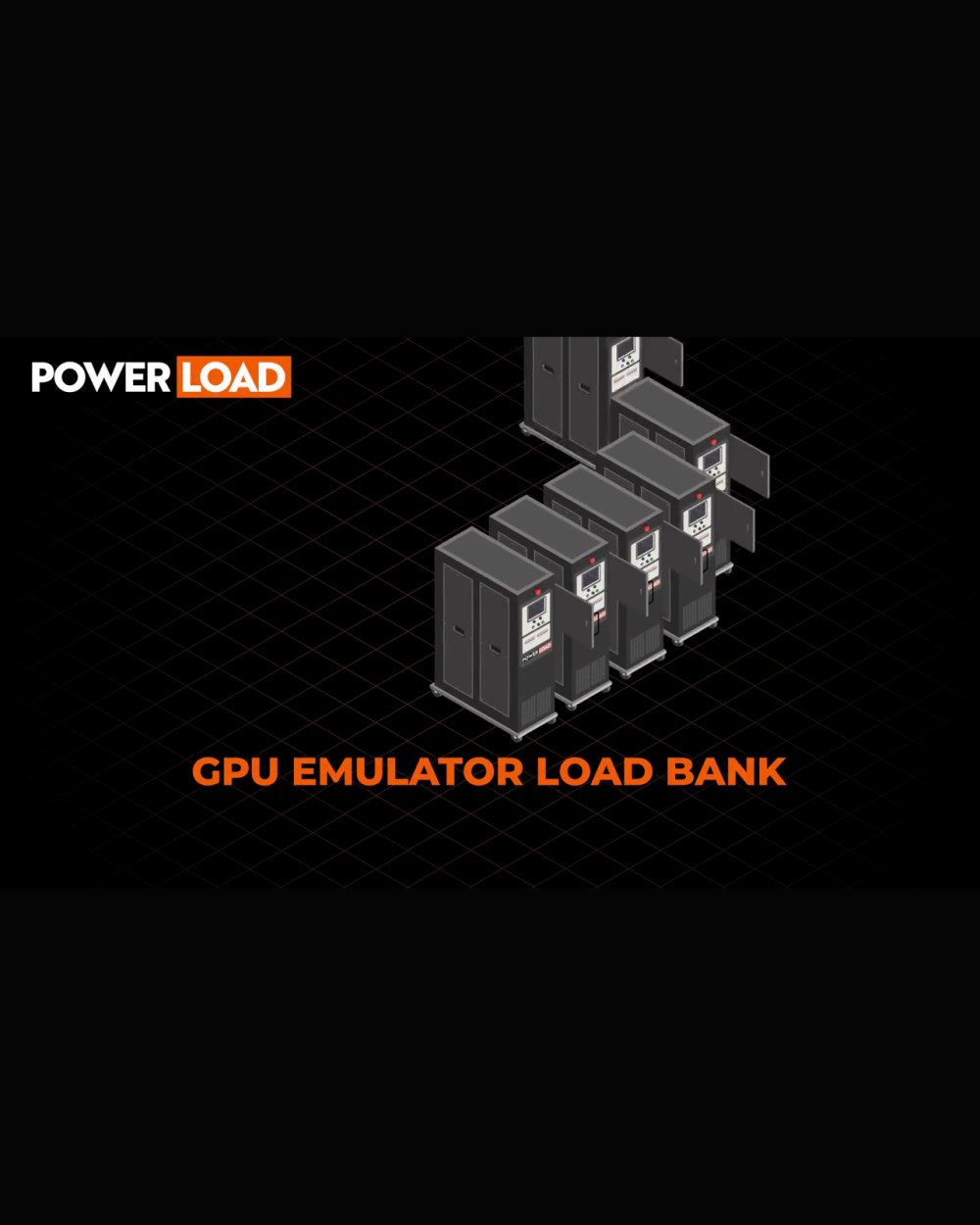
By matching behaviour rather than just output. AI GPU loads create transient electrical spikes and surges, and heat that rises and falls with the workload. Solid-state switching replicates the electrical spikes, and the heat is rejected into the cooling loop in the same pattern.

The full answer

Heat alone is not enough

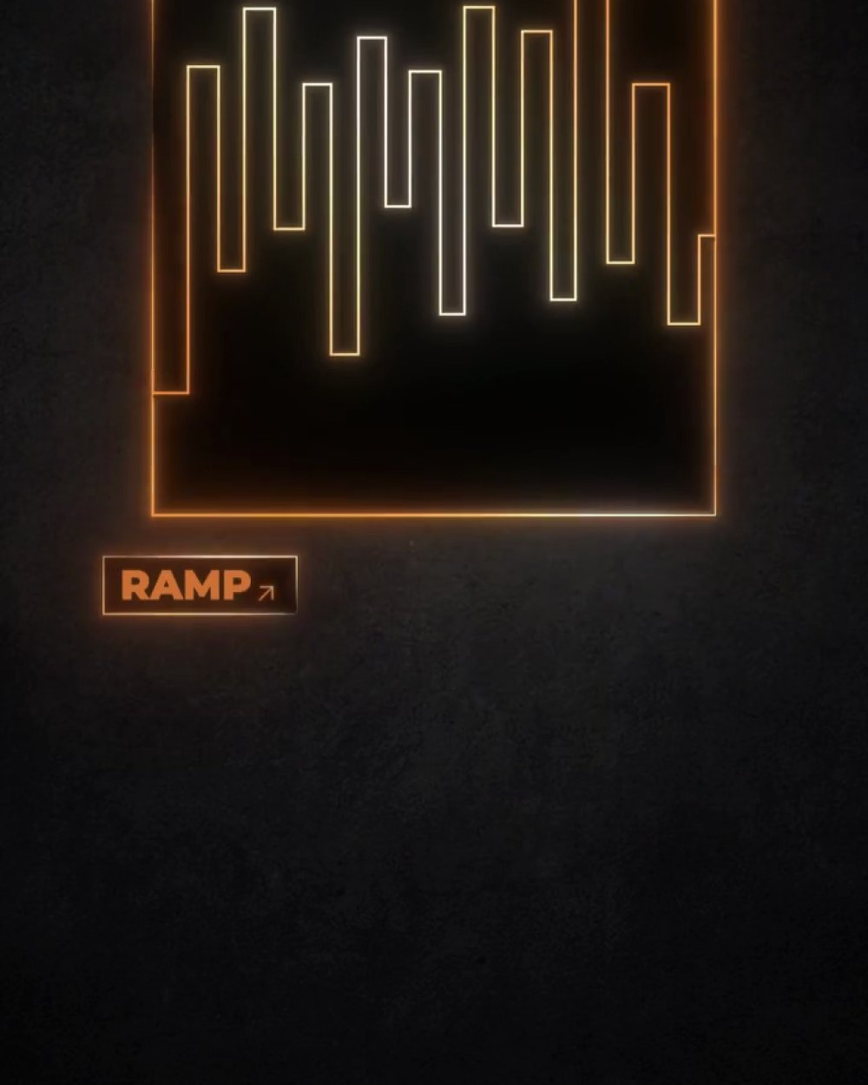
Most test equipment can generate heat. AI GPUs do not hold one power level or one temperature. Their load surges, dips and cycles with the workload, and those changes are what test a cooling or electrical system.

The electrical side

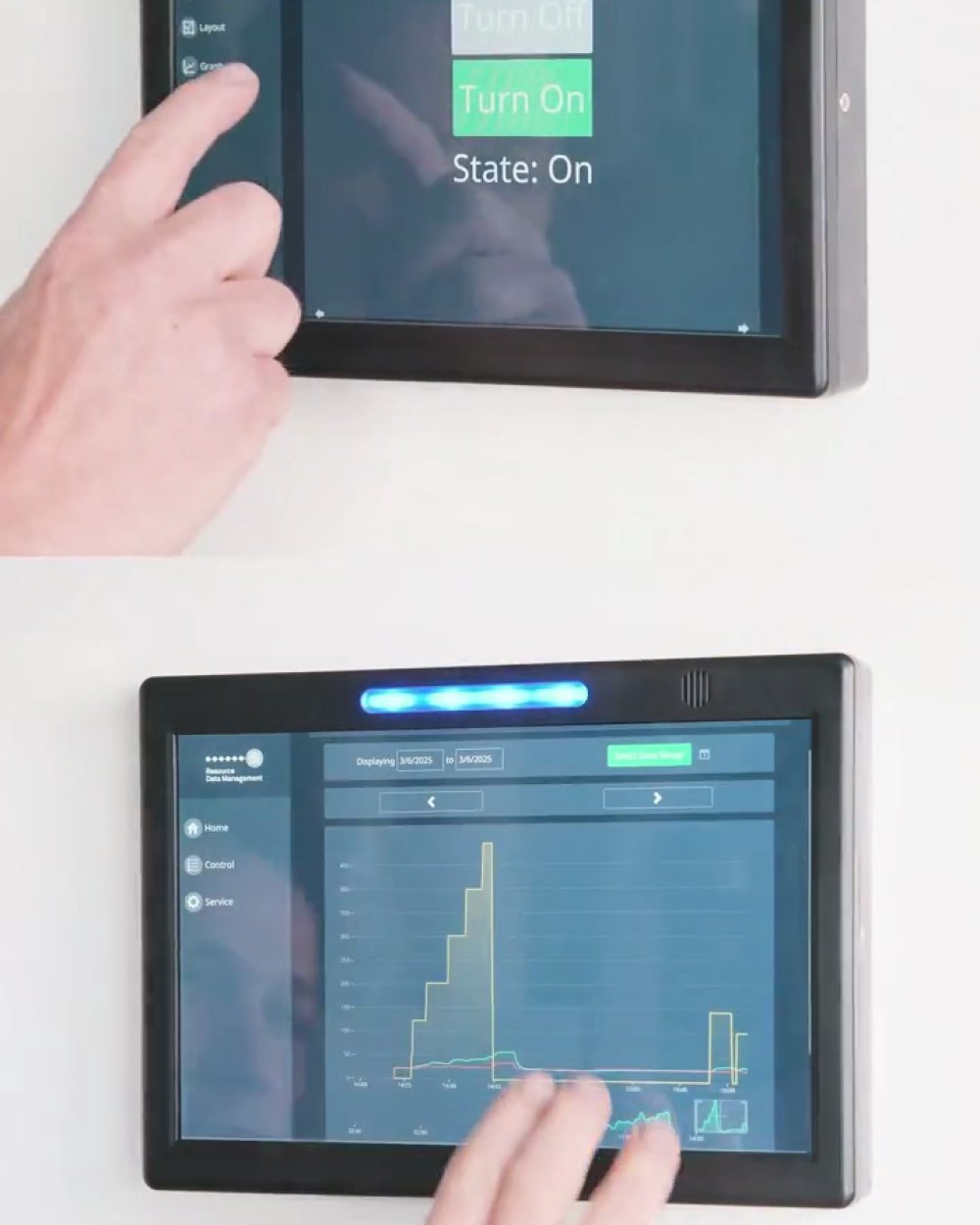
Solid-state switching replicates the transient electrical spikes and surges of a live AI rack. The same profile can be run again on demand, so a fix can be confirmed rather than assumed.

The heat side

The cooling system responds to heat, not current. The load bank rejects heat into the loop in the same changing pattern as a GPU cluster, so the loop sees the heat arrive and disappear as it will in service. Even with direct liquid cooling, some components in a server still need air, so the ACLB 60 air heat emulator sits in the same range to recreate the complete thermal environment rather than one component.

What it shows

Matching both sides shows slow response times, flow imbalances and stability problems that a static load cannot show. This is true rack-level heat and electrical replication, which the end-of-line range is built for.
More in this topic

Replicating GPU load

FAQ

Answered

A conventional load bank applies power and produces heat. A GPU emulator replicates how that power and heat arrive and disappear, using solid-state switching to follow the spikes, surges and dips of a real GPU under workload.
Yes. The cooling system responds to heat rather than current, so the emulator rejects heat into the loop in the same changing pattern as a real GPU cluster, not as a steady thermal load.
Where to next

Related reading

Want to see the profile?

We will show you the transitions our systems produce next to real GPU rack behaviour.